
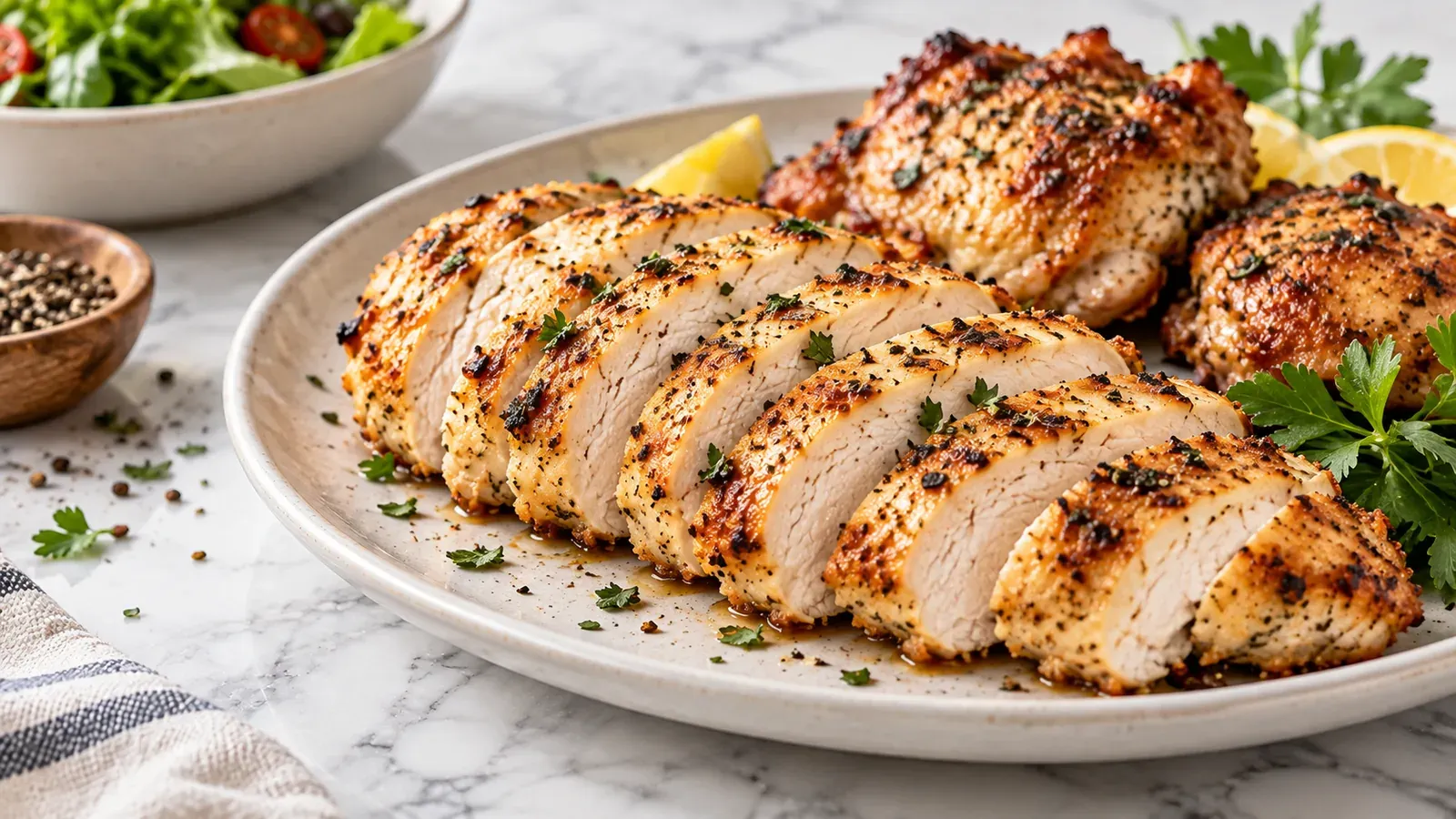
Is Chicken High in Protein?
Yes. Chicken breast carries about 26g of protein per 3 oz cooked, one of the highest protein-to-calorie ratios of any common meat, which is most of why it’s the default protein in high-protein cooking. Every other cut carries real protein too. The differences between them come down to skin, fat, and whether you’re weighing the chicken raw or cooked.
The actual numbers
Per 3 oz cooked (85g), from USDA FoodData Central. The last column is protein per 100 calories, which shows how much of each cut’s calorie cost is going toward protein.
| Cut | Protein | Calories | Protein per 100 cal |
|---|---|---|---|
| Breast, no skin | 26g | 140 | 19g |
| Breast, with skin | 25g | 165 | 15g |
| Rotisserie breast, no skin | 24g | 120 | 19g |
| Wing meat, no skin | 26g | 175 | 15g |
| Wing, with skin | 20g | 215 | 9g |
| Thigh, no skin | 21g | 150 | 14g |
| Thigh, with skin | 20g | 195 | 10g |
| Drumstick, no skin | 21g | 130 | 16g |
| Drumstick, with skin | 20g | 160 | 12g |
| Ground chicken | 20g | 160 | 12g |
| Canned chicken | 19g | 140 | 13g |
| Deli chicken breast | 15g | 85 | 18g |
Breast is the leanest cut, but the skin matters about as much as the cut does. Skin-on thigh and skin-on wing land at 10g and 9g per 100 calories, while skinless drumstick holds 16g, closer to breast than to thigh with the skin on.
Wing meat, stripped of skin and bone, is nearly as protein-dense as breast per ounce. The catch is that a single wing only carries about 21g of actual meat, about 6g of protein, and wings are almost always eaten with the skin on. Eaten that way, they have the lowest protein per calorie on this table.
For how chicken compares to turkey, beef, and pork cut by cut, see High-Protein Meats.
Raw weight vs. cooked weight
This is the part that trips people up when tracking. Raw chicken breast carries about 22.5g of protein per 100 grams; roasted, it’s about 31g. The chicken didn’t gain protein. It lost water, roughly a quarter of its weight, so the same protein is packed into less meat.
That means 4 oz of raw breast is about 25g of protein, while 4 oz of cooked breast is about 35g. If you weigh chicken after cooking but log it with a raw nutrition entry, you’ll undercount the protein by around a quarter. Pick one and match it: weigh raw and use raw numbers, or weigh cooked and use cooked numbers. Every figure in the table above is cooked.
How big is “one chicken breast”?
There’s no standard answer, which is why I list chicken by weight instead. USDA’s own measures show the range: its raw boneless skinless breast entry lists one piece at 272g, about 9.6 oz, which works out to roughly 61g of protein. Its roasted half-breast measure is 86g, about 27g of protein. Both are “one chicken breast.” If a recipe or a label says one breast, the weight is the number that tells you what you’re actually getting.
How much chicken is 30g of protein?
Thirty grams is used here only as a round reference point, not a target. Cooked weight, from the same USDA entries:
| Cut | Cooked weight for 30g protein |
|---|---|
| Breast, no skin | about 3.4 oz |
| Rotisserie breast, no skin | about 3.8 oz |
| Thigh, no skin | about 4.3 oz |
| Drumstick, no skin | about 4.4 oz |
| Ground chicken | about 4.5 oz |
| Canned chicken | about 4.9 oz |
| Deli chicken breast | about 6.1 oz |
For raw breast, it’s about 4.7 oz, the same water-weight gap as above.
Rotisserie, canned, deli, and “added solution” chicken
The convenience versions carry real protein, but most of them carry a lot more sodium than chicken you cook yourself.
- Rotisserie breast: about 24g of protein and 280mg of sodium per 3 oz, against about 63mg for home-roasted breast.
- Canned chicken: about 19g of protein and 430mg of sodium per 3 oz.
- Deli chicken breast: about 10g of protein and 585mg of sodium per 2 oz. It’s lean, but it’s the saltiest form of chicken on this page by a wide margin.
- “With added solution”: some raw chicken is packaged with a salt-water solution, and the label says so. USDA’s entry for raw breast with added solution carries about 173mg of sodium per 100 grams against 45mg for plain raw breast, and slightly less protein per gram (20g vs 22.5g), since the added solution is mostly water.
Where it shows up in real cooking
Chicken is the single most common protein on this site, and between them the recipes use nearly every form on this page:
- Breast: baked chicken parmesan (58g per breast), meal prep bowls (44g per bowl), and white chicken chili (36g per 1 1/2 cups)
- Thighs: air fryer chicken thighs (45g per 2 thighs with broccoli) and grilled chicken thighs (26g per serving)
- Rotisserie: chicken salad (37g per cup) and the chicken ramen (59g per bowl)
- Canned: canned chicken salad (18g per 3/4 cup)
- Ground: chicken and white bean soup (28g per 1 1/2 cups)
FAQ
Does chicken thigh have as much protein as chicken breast?
Less, but not by a huge margin. Thigh meat runs about 21g of protein per 3 oz cooked against breast meat’s 26g. The bigger difference is fat, thigh carries meaningfully more of it, which is most of why breast meat gets singled out for protein-per-calorie.
Does the skin change how much protein chicken has?
It changes calories much more than protein. Per 3 oz cooked, USDA’s breast entry with the skin on carries about 25g of protein and 165 calories, against 26g and 140 calories for the meat alone. The skin adds fat, and because it takes up some of the serving’s weight, the protein number goes down slightly, not up.
Does grilling or roasting change the protein in chicken?
Barely. USDA lists grilled skinless breast at about 30.5g of protein per 100 grams and roasted at about 31g, which is the same thing within rounding. What matters far more is whether you’re counting the chicken raw or cooked, because cooking removes water and concentrates the protein in what’s left.
See everything tagged chicken, or browse the full High-Protein Meats guide for how every cut compares.
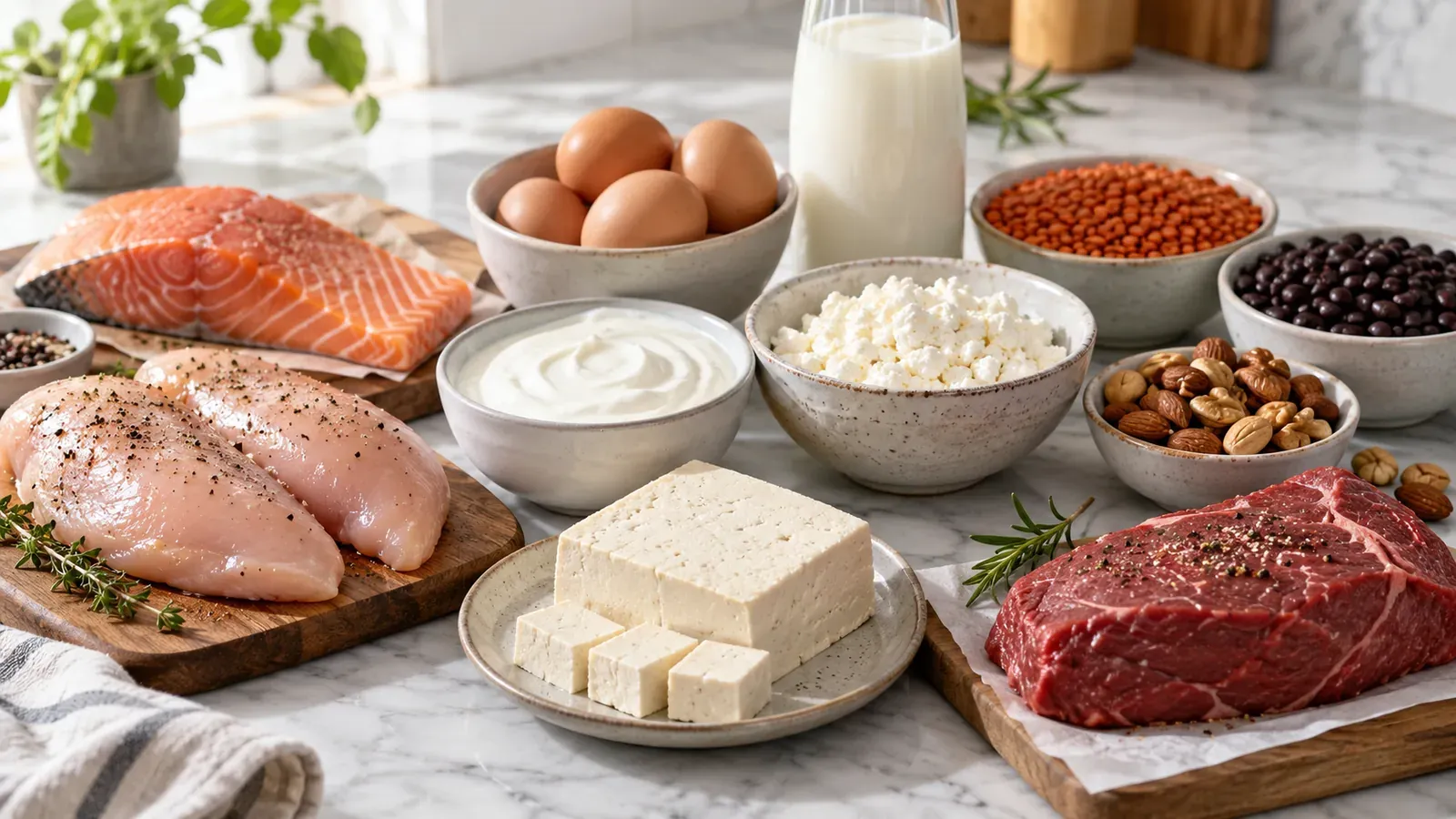
Foods High in Protein: A Real Reference List
Protein, calories, and protein per 100 calories for 44 foods high in protein, grouped by type and calculated from USDA FoodData Central. Not a guess.
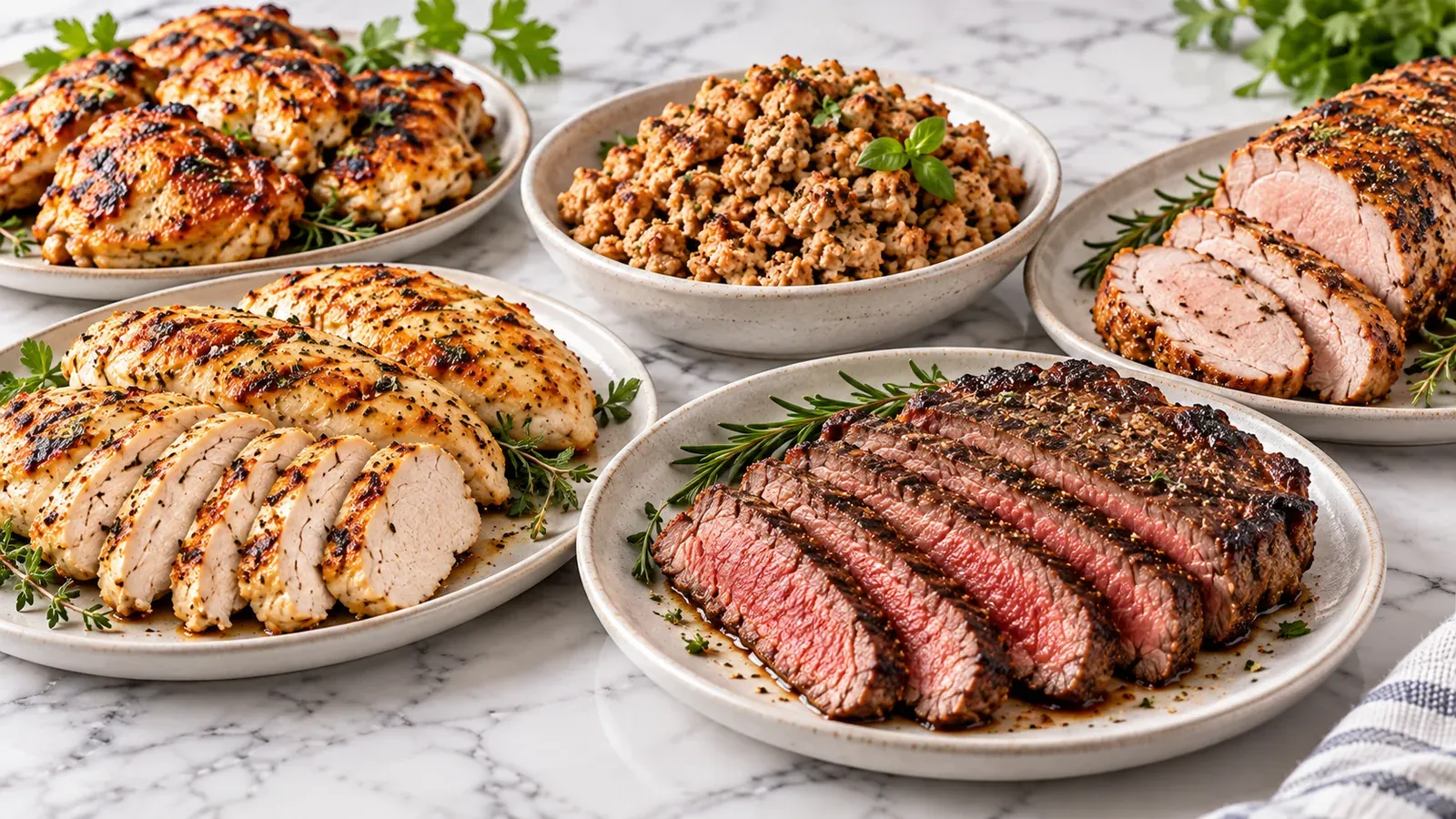
High-Protein Meats: Every Cut, Compared
Protein per serving for the actual cuts of chicken, turkey, beef, and pork people cook with, sourced from USDA FoodData Central.
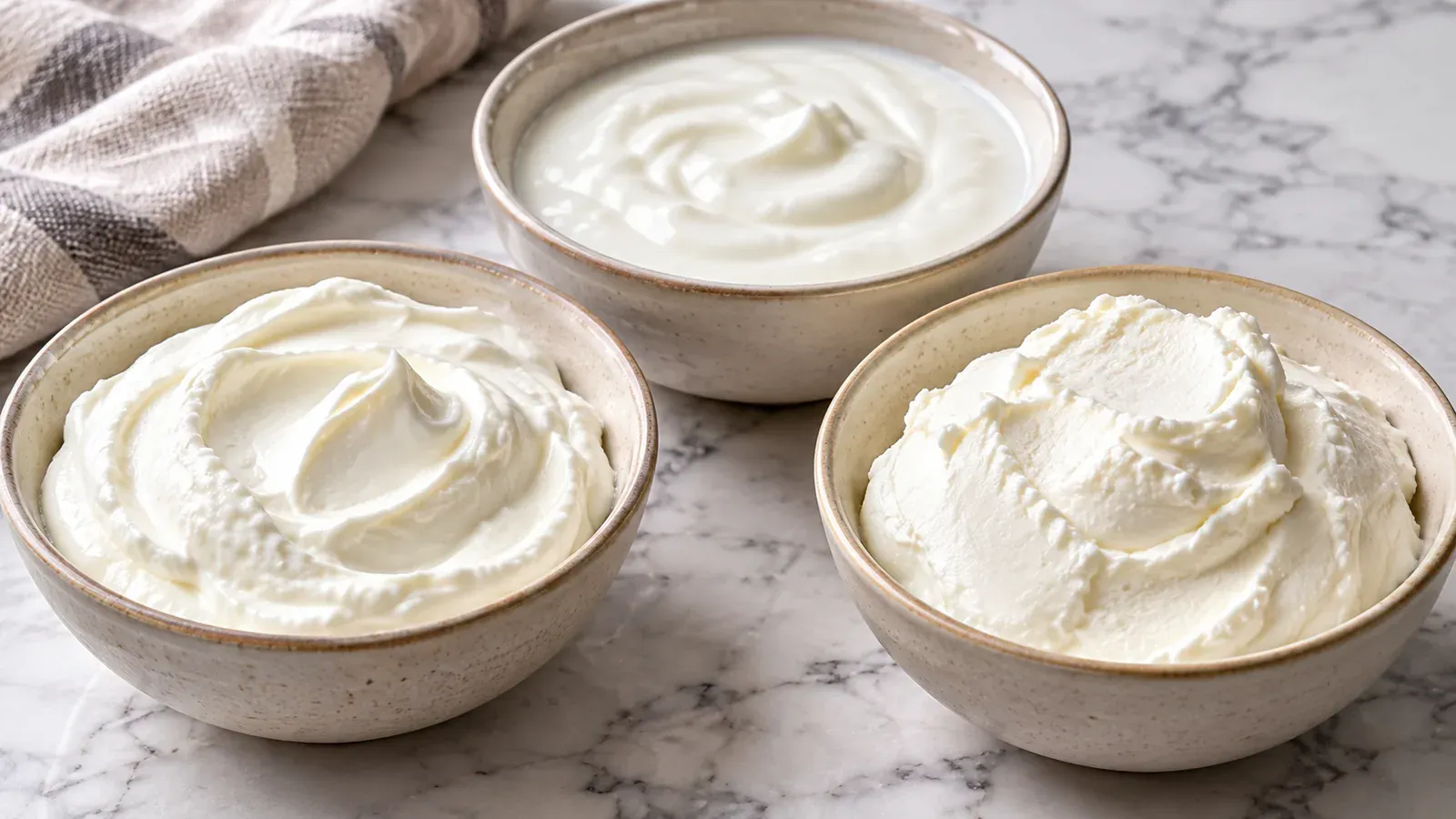
High-Protein Yogurt: 9 Brands Compared by the Label
Protein, calories, and added sugar for 11 high-protein yogurts from 9 brands, taken from each brand's own nutrition label and compared per 100g so cup size doesn't skew it.