
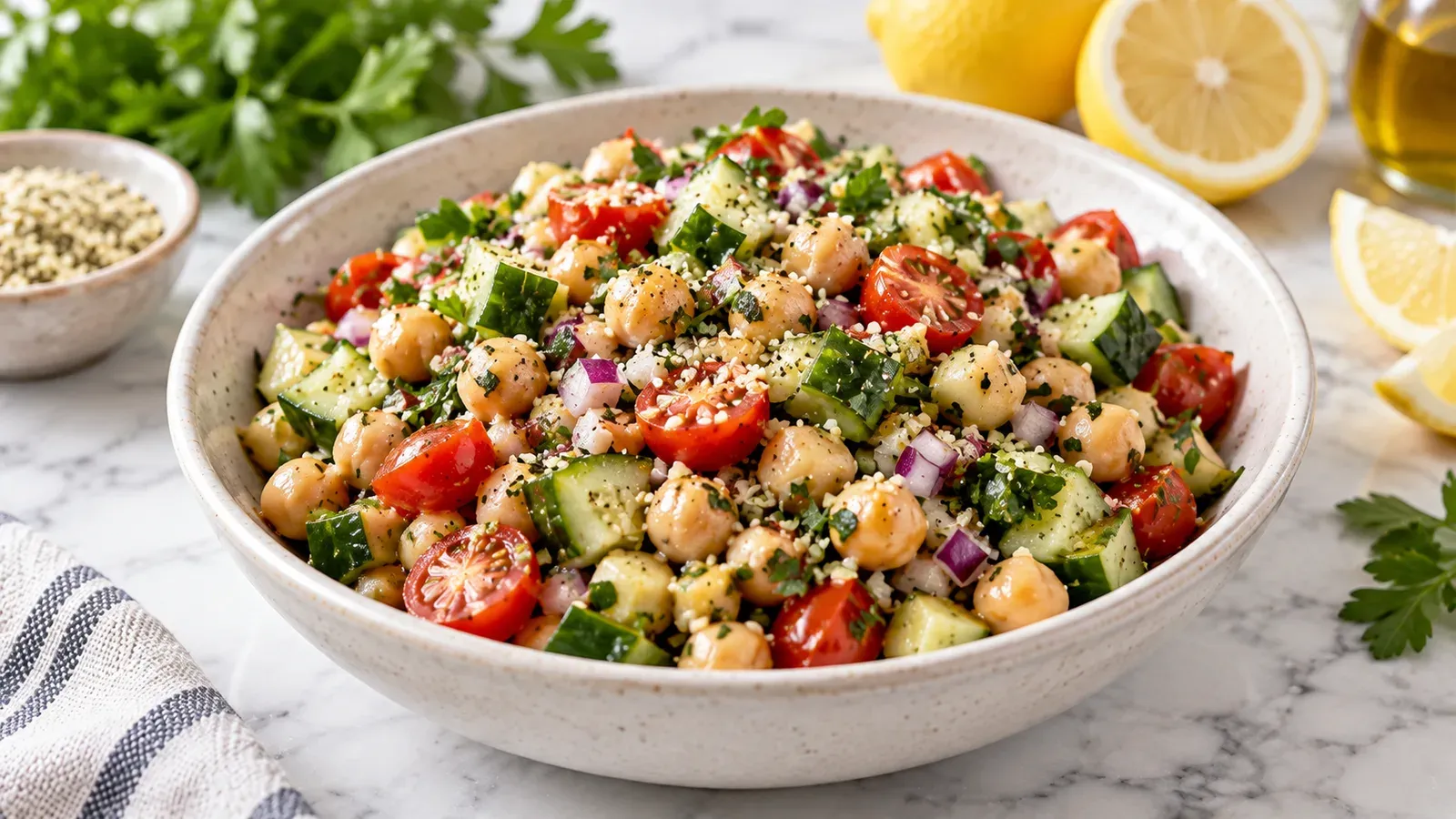
High-Protein Chickpea Salad
Per serving (about 2 cups)
How I calculate this → Protein calculator →
4g of protein per 100 calories, more than 1 of the other 27 dinner recipes here.
Chickpeas alone don't get a salad to a genuinely high protein number, so I add hemp hearts, which carry about as much protein gram for gram as cooked meat and don't need any cooking of their own. Everything else is just chopping and stirring together a lemony dressing. I salt the chickpeas themselves, not just the dressing, since dressing poured over unseasoned chickpeas tends to slide right off instead of actually flavoring them.
Why you'll love this
- 19g of plant protein per serving, no meat or dairy needed
- 14g of fiber per serving from chickpeas, hemp hearts, and vegetables together
- No-cook, ready in 15 minutes
Recipe
High-Protein Chickpea Salad
Ingredients
Instructions
- In a large bowl, toss the chickpeas with a pinch of salt and pepper first, before adding anything else.
- Add the cucumber, cherry tomatoes, red onion, and hemp hearts.
- In a small bowl or jar, whisk together the olive oil, lemon juice, garlic, salt, and pepper.
- Pour the dressing over the salad and toss to coat.
- Fold in the parsley just before serving.
Equipment
- Large bowl
Notes
- I salt the chickpeas directly, before the dressing goes on. Dressing poured over unseasoned chickpeas tends to run off instead of actually flavoring them.
- This keeps well undressed for up to 4 days, so if I'm making it ahead, I hold the dressing separately and toss it in right before eating.
Nutrition (per serving)
| Calories | 430 |
|---|---|
| Protein | 19g |
| Carbs | 52g |
| Fat | 18g |
| Fiber | 14g |
Where these numbers come from
I calculate every figure above from USDA FoodData Central, ingredient by ingredient, then divide by the servings the recipe makes. Each FDC number links to the exact USDA entry I used. How I calculate nutrition
- Chickpeas: FDC #173757 (Chickpeas, mature seeds, cooked, boiled, without salt), 8.86g protein / 164 kcal / 2.59g fat / 27.4g carb / 7.6g fiber per 100g. Used as a proxy for canned, drained chickpeas, which are nutritionally very close to home-cooked.
- Cucumber: FDC #2346406 (Cucumber, with peel, raw), 0.62g protein / 16 kcal / 0.18g fat / 2.95g carb per 100g.
- Cherry tomatoes: FDC #170457 (Tomatoes, red, ripe, raw, year round average), 0.88g protein / 18 kcal / 0.2g fat / 3.89g carb / 1.2g fiber per 100g; FDC's own listed measure of 1 cup cherry tomatoes = 149g.
- Red onion: FDC #170000 (Onions, raw), 1.1g protein / 40 kcal / 9.34g carb / 1.7g fiber per 100g. No separate red-onion entry exists in FDC; red and yellow onion are nutritionally very close.
- Hemp hearts: FDC #170148 (Seeds, hemp seed, hulled), 31.6g protein / 553 kcal / 48.8g fat / 8.67g carb / 4g fiber per 100g.
- Olive oil: FDC #171413 (Oil, olive, salad or cooking), 100g fat / 884 kcal per 100g, 0g protein.
- Garlic: FDC #169230 (Garlic, raw), 6.36g protein / 149 kcal / 33.1g carb / 2.1g fiber per 100g; 1 clove = 3g.
- Parsley: FDC #170416 (Parsley, fresh), 2.97g protein / 36 kcal / 0.79g fat / 6.33g carb / 3.3g fiber per 100g.
- Quantities: chickpeas 3 cups = 492g (FDC: 1 cup = 164g); cucumber 1 cup diced = 133g (FDC #168409); cherry tomatoes 1 cup = 149g; red onion 1/4 cup = 40g; hemp hearts 3 tbsp = 30g; olive oil 2 tbsp = 27g; lemon juice 2 tbsp = 30g (FDC #167747); garlic 1 clove = 3g; parsley 1/4 cup = 15g.
- Re-verified 2026-09-28: batch totals 56.4g protein, 1,291 kcal, 55.1g fat, 155.8g carb, 42.4g fiber; divided by 3.
Storage
Refrigerate in an airtight container for up to 4 days. If making ahead, keep the dressing separate and toss it in right before serving, since the vegetables release water and go soft faster once dressed.
FAQ
Can I use canned chickpeas instead of cooking them myself?
Yes, that’s the easier route for most people. Two 15-ounce cans, drained and rinsed, gets you close to the same 3 cups called for here.
Why hemp hearts specifically?
They’re one of the few plant foods with a protein content close to meat by weight, and they don’t need any cooking or soaking, unlike most other protein-dense seeds and legumes.
Is this actually filling as a full meal?
Yes. Between the chickpeas, hemp hearts, and a modest amount of olive oil, this lands around 430 calories a serving with real fiber alongside the protein, closer to a dinner portion than a side salad.
Looking for more vegan meals: the high-protein tofu scramble is a good option for earlier in the day.
Chickpeas sit in the plant-based section of Foods High in Protein, next to lentils and black beans.
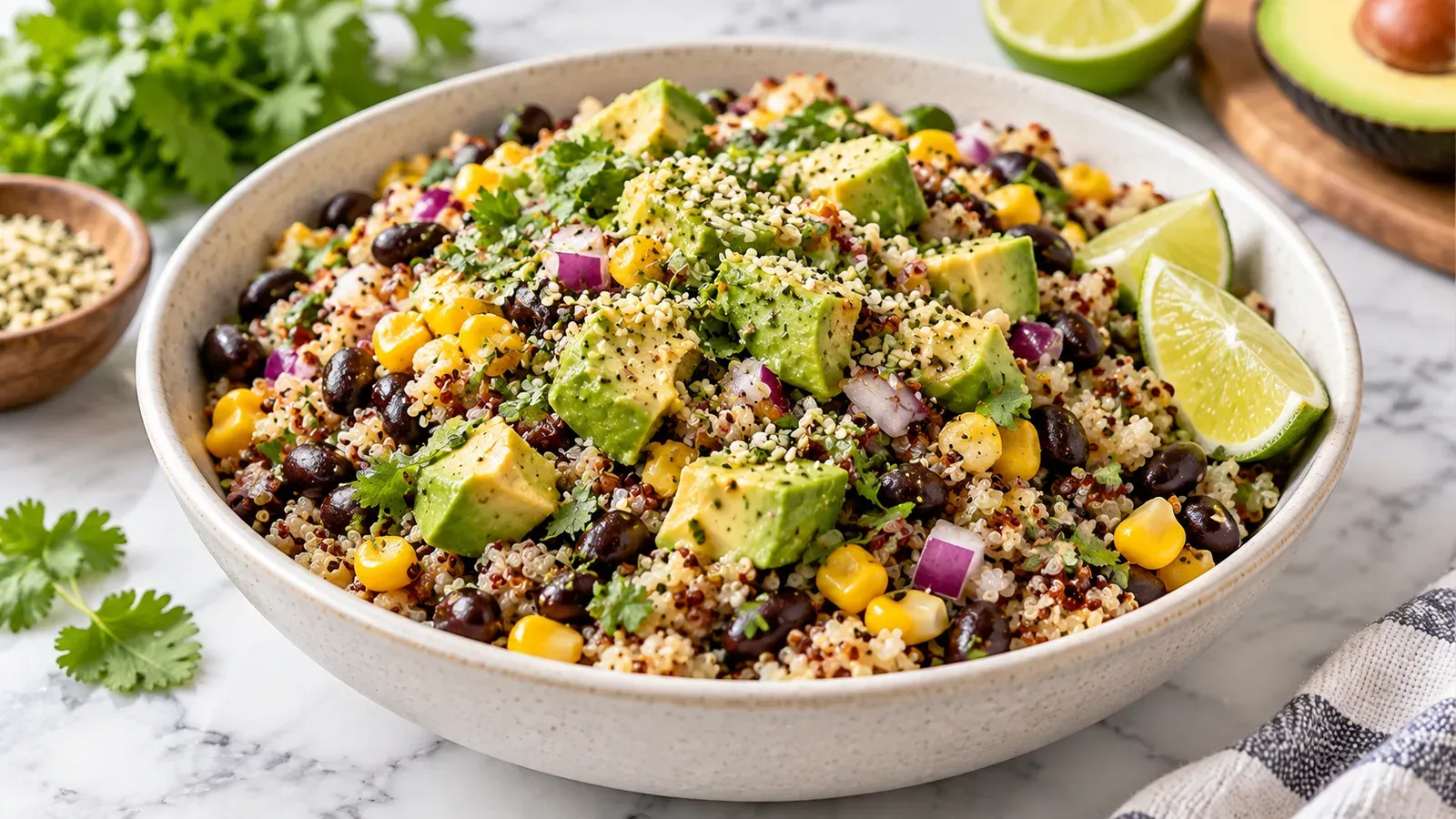
High-Protein Black Bean and Quinoa Bowl
A high-protein vegan grain bowl with black beans, quinoa, corn, and avocado: high-fiber, no meat or dairy.
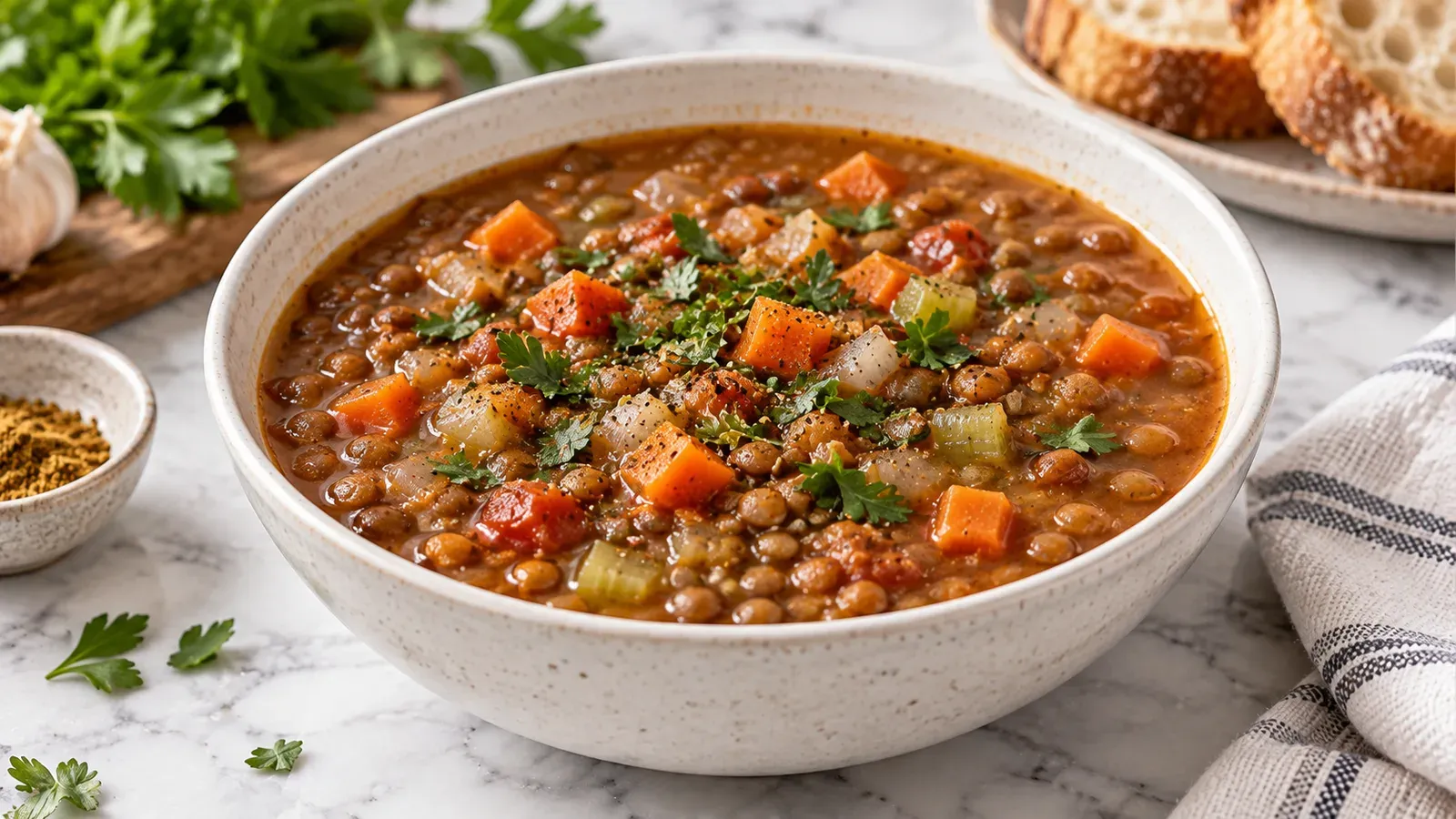
High-Protein Lentil Soup
A high-protein vegan lentil soup with carrot and celery: high-fiber, stovetop, and freezes well.
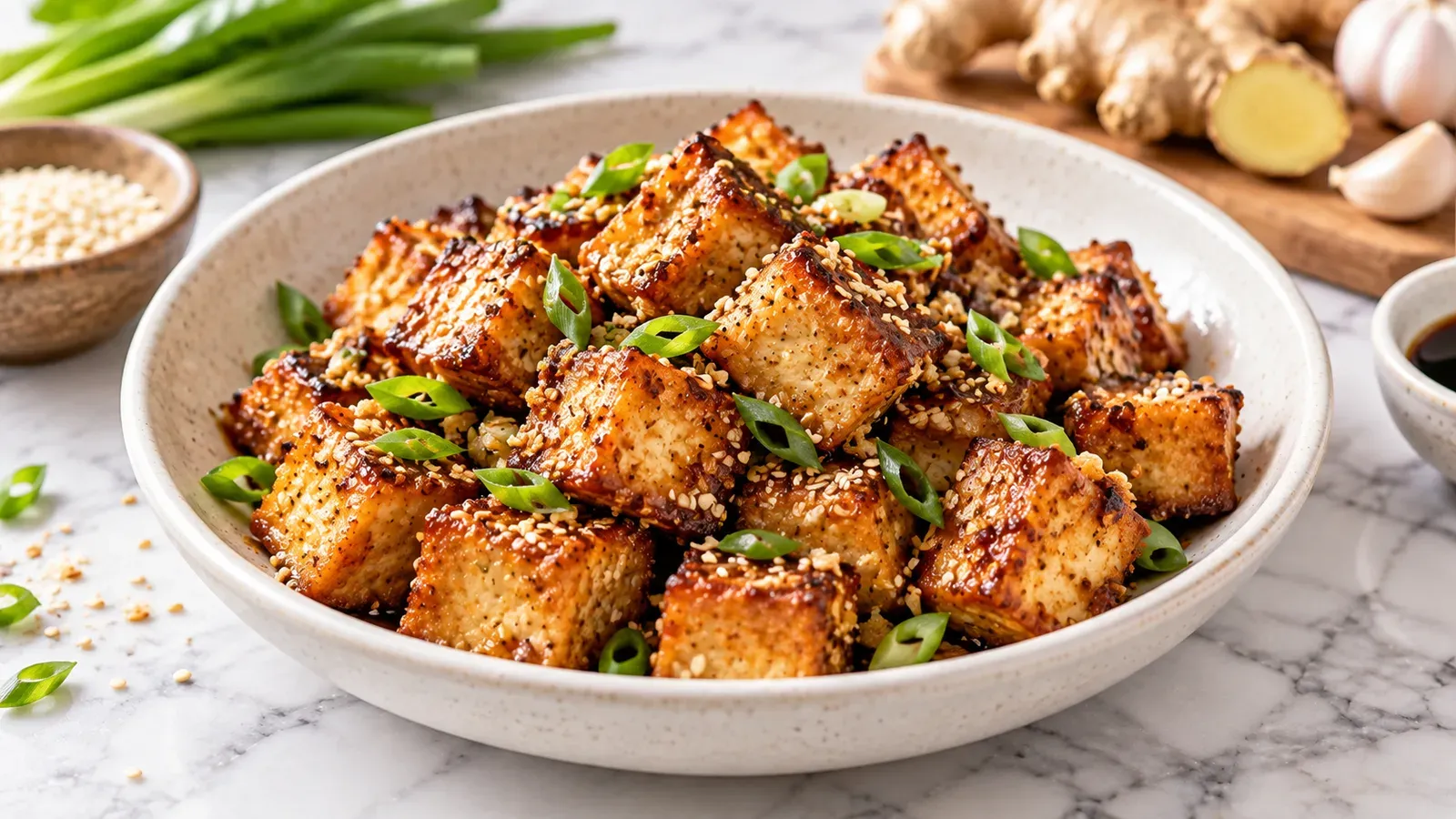
High-Protein Air Fryer Tofu
Crispy air fryer tofu with a cornstarch coating and soy-sesame glaze: a high-protein, low-calorie, vegan dinner in 25 minutes.
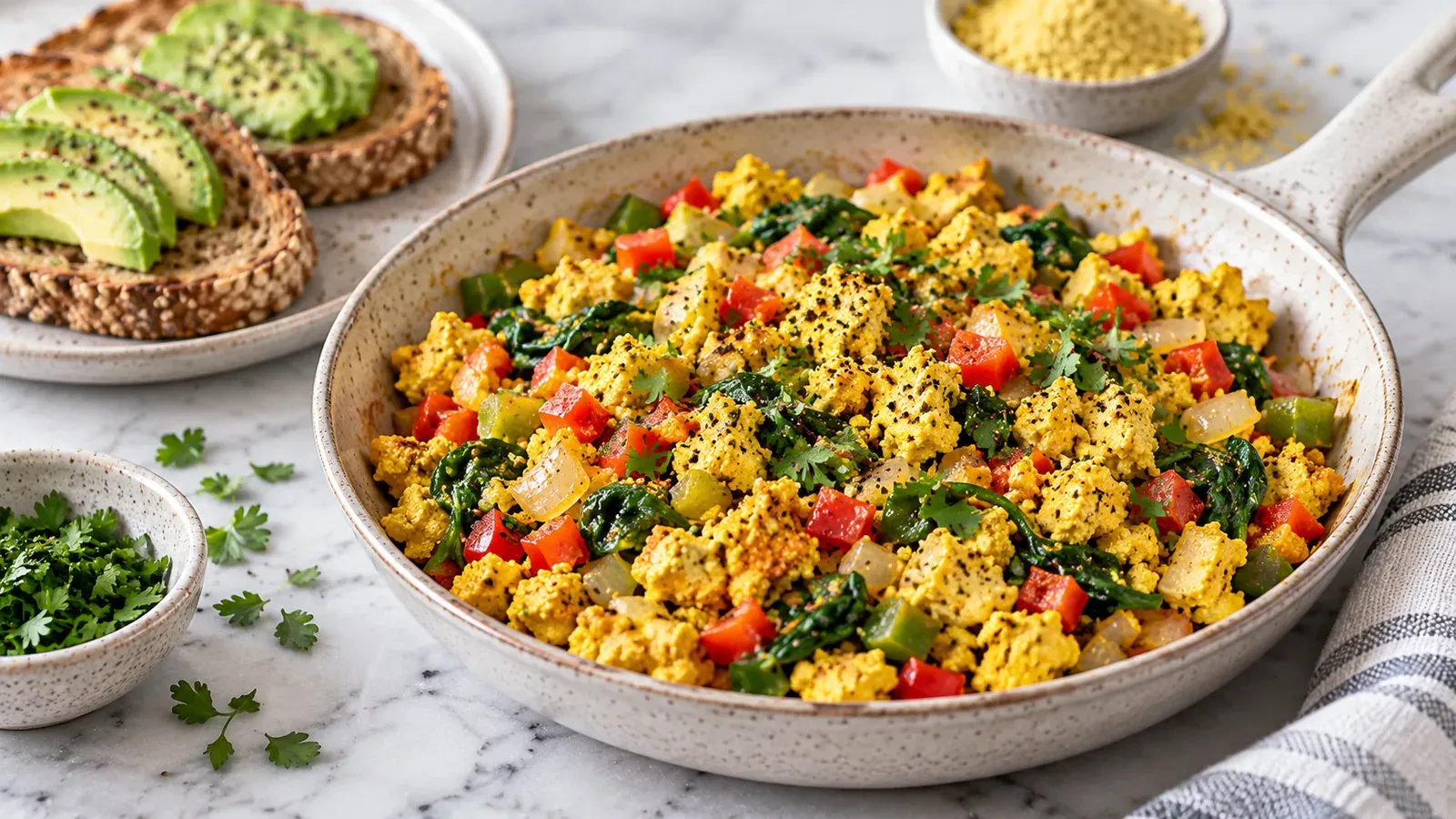
High-Protein Tofu Scramble
A high-protein vegan tofu scramble with turmeric and nutritional yeast: no eggs, no dairy, ready in about 15 minutes.
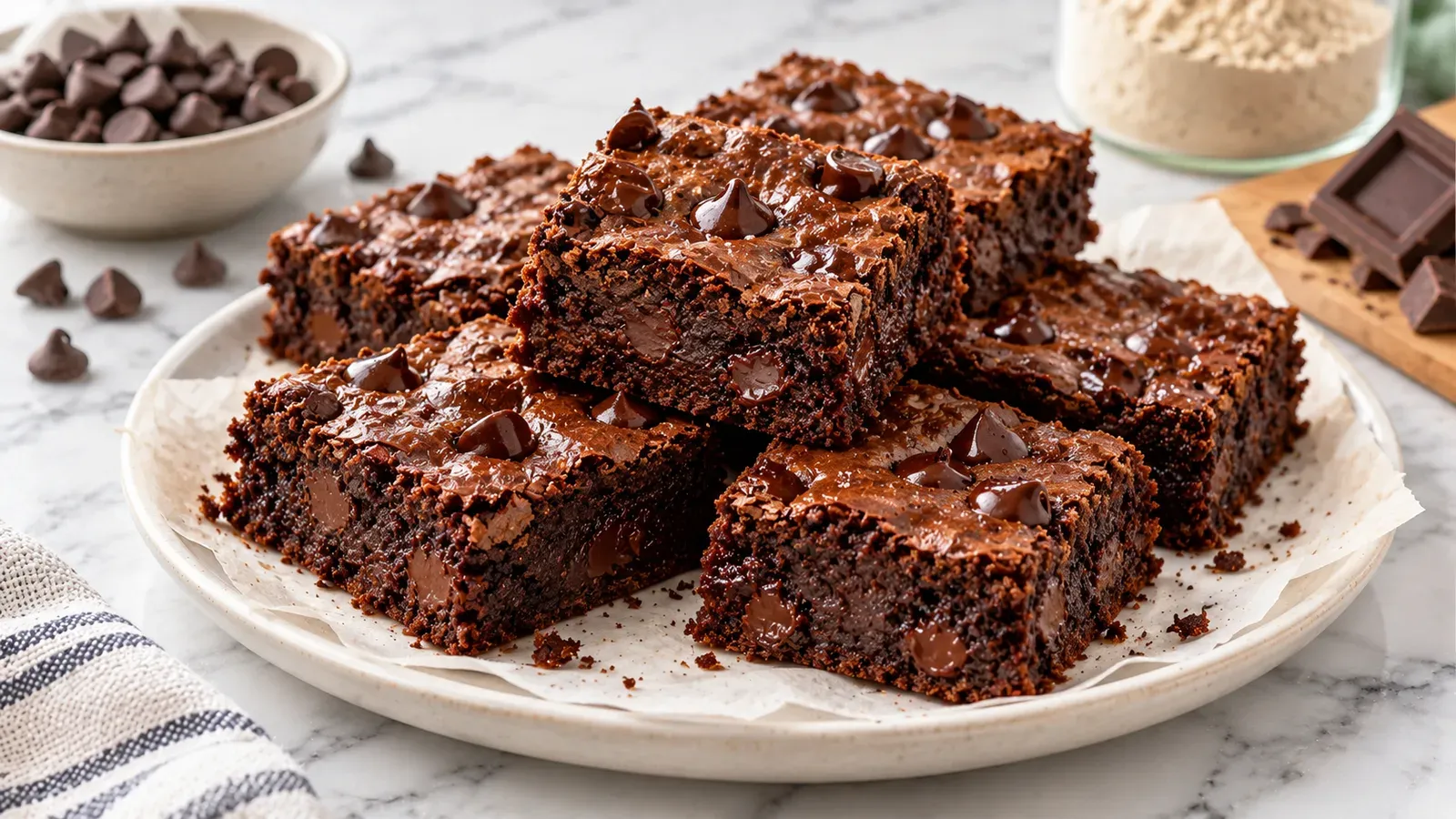
High-Protein Brownies
Flourless high-protein brownies made with black beans: gluten-free, high-fiber, low-calorie.
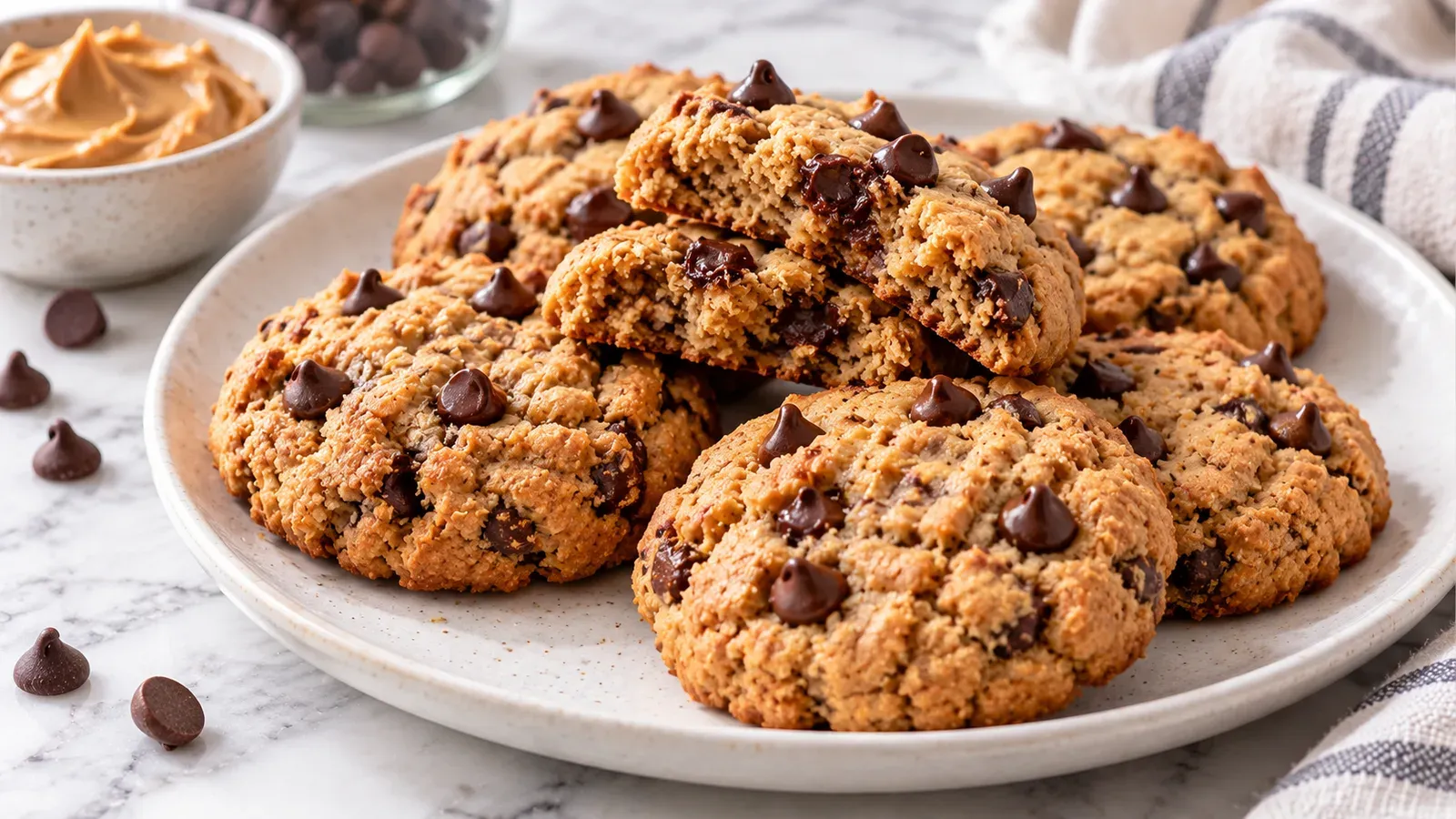
High-Protein Cookies
Flourless high-protein peanut butter cookies with dark chocolate chips: no flour, ready in 20 minutes.