
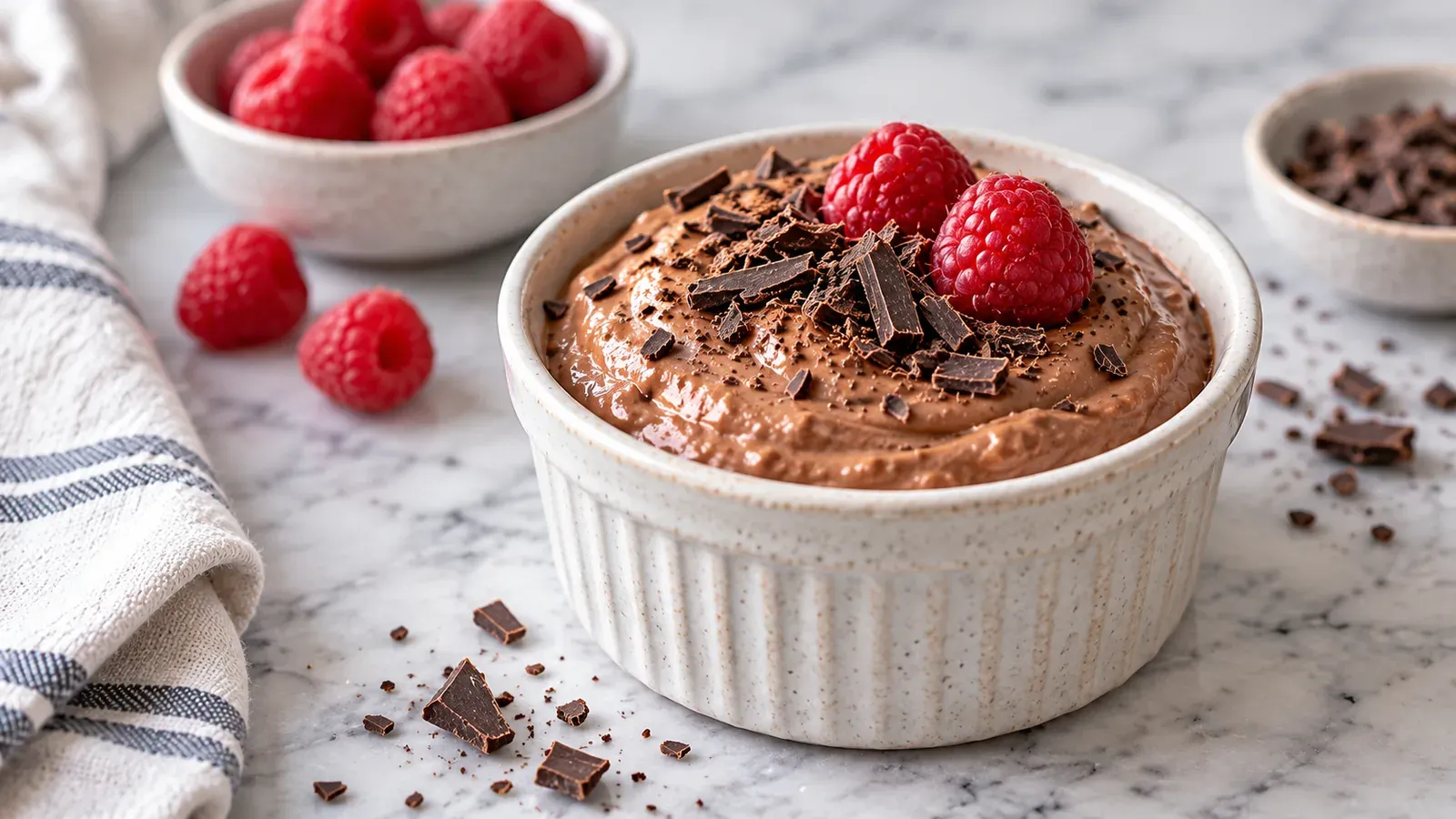
High-Protein Cottage Cheese Chocolate Pudding
Per serving (about 1/2 cup)
How I calculate this → Protein calculator →
7g of protein per 100 calories.
I blend this one longer than feels necessary, closer to two minutes than thirty seconds, which is what actually gets it fully smooth instead of just mostly smooth. Cocoa powder and a little sweetener are doing all the chocolate flavor work over cottage cheese that's disappeared into the background entirely. This tastes noticeably better to me after it's been chilled for a while. Right out of the blender it's good, but after an hour in the refrigerator the texture gets thicker and much more pudding-like.
Why you'll love this
- 14g of protein per serving from cottage cheese, with no gelatin or cooking
- Ready in 10 minutes plus chill time
- Tastes like chocolate pudding, not cottage cheese, once it's fully blended
Recipe
High-Protein Cottage Cheese Chocolate Pudding
Ingredients
Instructions
- Add the cottage cheese, cocoa powder, maple syrup, vanilla, and salt to a blender.
- Blend on high for 1.5 to 2 minutes, stopping to scrape down the sides once or twice, until completely smooth with no visible curds.
- If the mixture is thicker than you'd like, blend in the milk a tablespoon at a time until it loosens up.
- Divide into bowls or jars and refrigerate for at least 30 minutes. It thickens further as it chills.
Equipment
- Blender or food processor
Notes
- I blend longer than seems necessary here. This is the one recipe on the site where under-blending is the most common mistake, since any texture left in the cottage cheese reads as grainy in a pudding, more than it would in a sauce.
- I let this chill for at least 30 minutes before eating. Straight from the blender it's good, but the texture firms up into something closer to real pudding after it sits.
Nutrition (per serving)
| Calories | 200 |
|---|---|
| Protein | 14g |
| Carbs | 26g |
| Fat | 6g |
| Fiber | 3g |
Where these numbers come from
I calculate every figure above from USDA FoodData Central, ingredient by ingredient, then divide by the servings the recipe makes. Each FDC number links to the exact USDA entry I used. How I calculate nutrition
- Cottage cheese: FDC #172179 (Cheese, cottage, creamed, 4%), 2 cups small curd = 450g (FDC: 1 cup small curd = 225g).
- Cocoa powder: FDC #169593 (Cocoa, dry powder, unsweetened), 1/3 cup = 28.7g (FDC: 1 cup = 86g).
- Maple syrup: FDC #169661 (Syrups, maple), 1/3 cup = 105g (FDC: 1 cup = 315g). Honey instead (FDC #169640, 1/3 cup = 113g) adds about 20g carbs to the batch.
- Vanilla extract: FDC #173471, 1 tsp = 4.2g.
- Batch totals: 55.6g protein, 792 kcal, 23.3g fat, 102.7g carb, 10.6g fiber; divided by 4. Milk for thinning, only if needed, not counted.
Storage
Refrigerate in an airtight container for up to 4 days. The texture holds up well; just give it a stir before serving if any liquid has separated to the top.
FAQ
Can I make this without a high-powered blender?
A food processor works too, though it may take a minute or two longer to fully smooth out the cottage cheese curds. A standard blender still gets there, just with more scraping down the sides.
Can I use Greek yogurt instead of cottage cheese?
Yes, though the pudding will be tangier and slightly thinner. Cottage cheese gives a richer, more neutral base that lets the chocolate flavor lead.
Can I make this less sweet?
Yes. Cut the maple syrup back by half and taste as you go. The cocoa powder itself has no added sugar, so the sweetness is entirely up to how much you add.
Looking for more high-protein desserts: the cottage cheese bowl uses the same blended base in a fruit-forward direction instead.
For why cottage cheese doesn’t always get credit as a protein source, see Is Cottage Cheese High in Protein?.
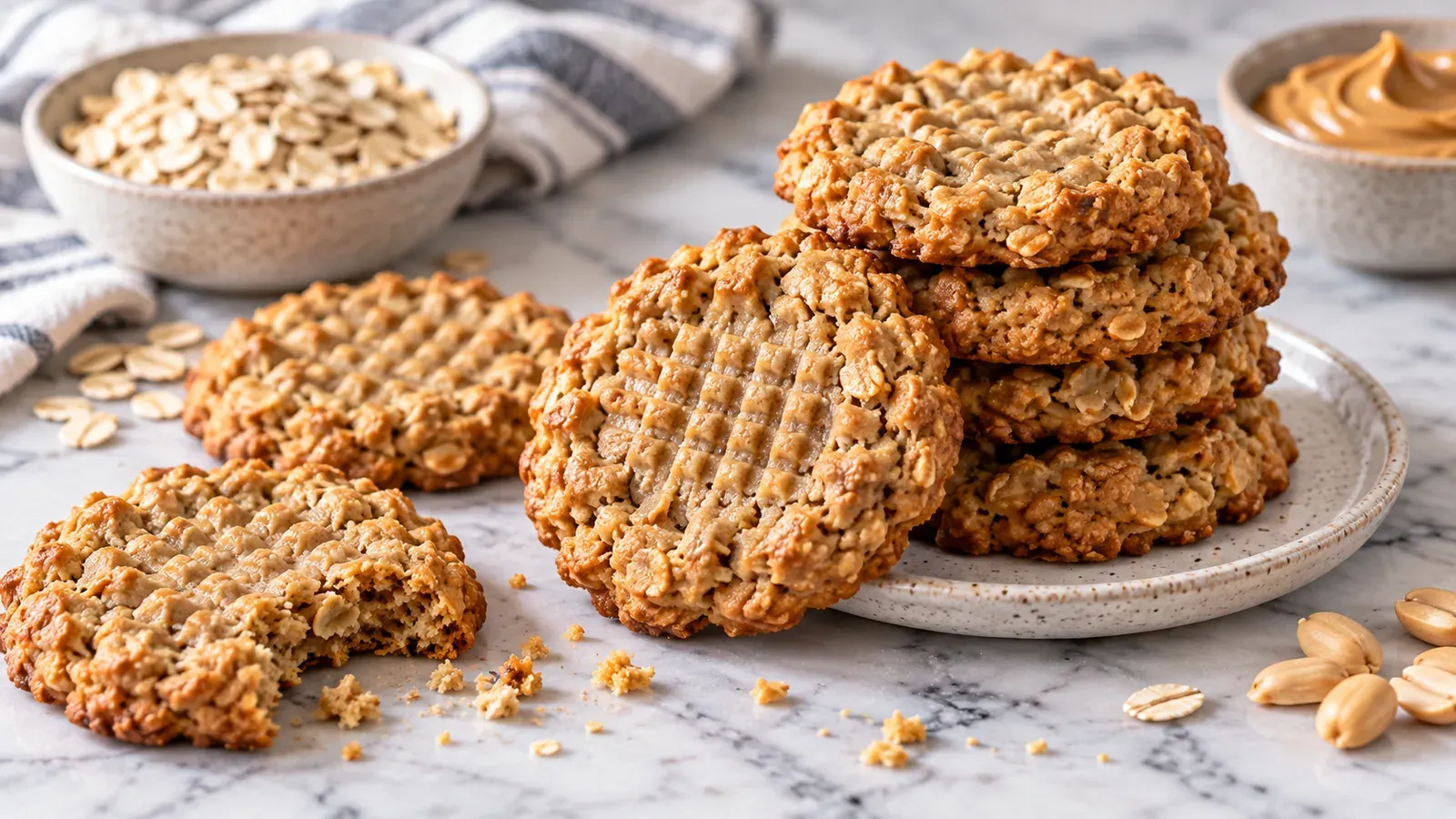
High-Protein Peanut Butter Cookies
High-protein peanut butter oatmeal cookies with no flour: protein powder and oats do the structural work, ready in under 20 minutes.
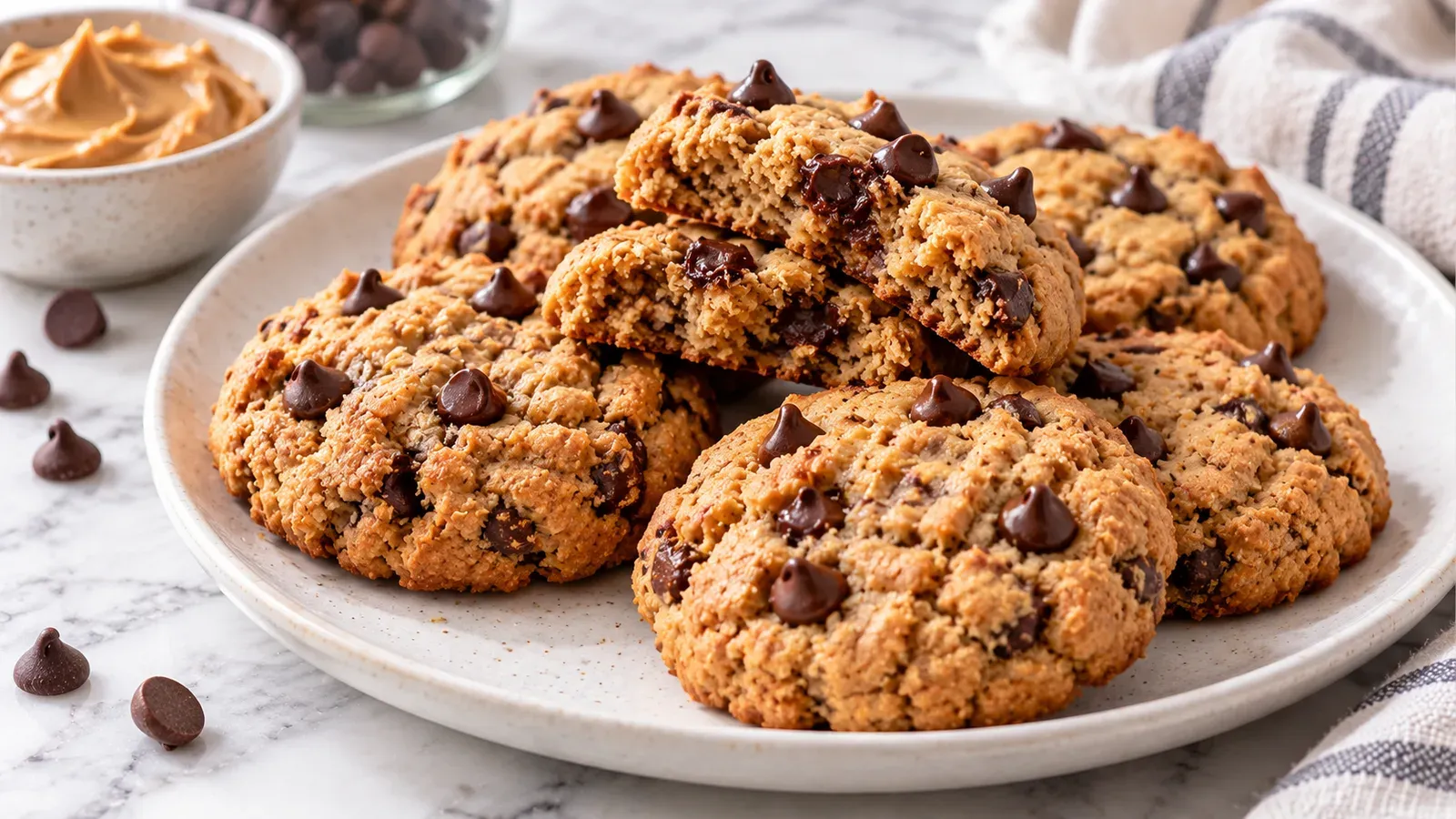
High-Protein Cookies
Flourless high-protein peanut butter cookies with dark chocolate chips: no flour, ready in 20 minutes.
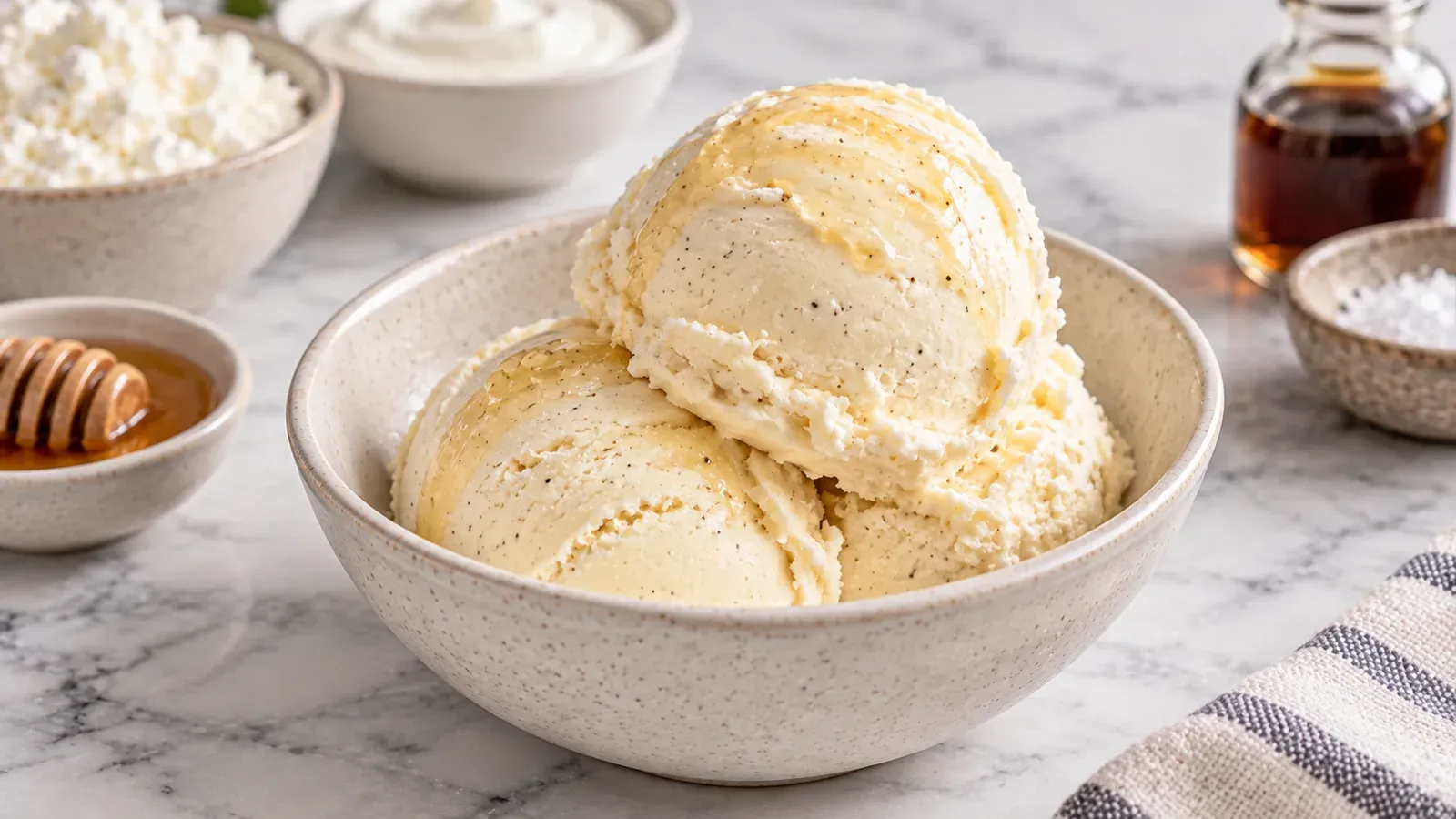
High-Protein Ice Cream
A high-protein ice cream made from Greek yogurt and cottage cheese, blended smooth: low-calorie, no ice cream maker needed.
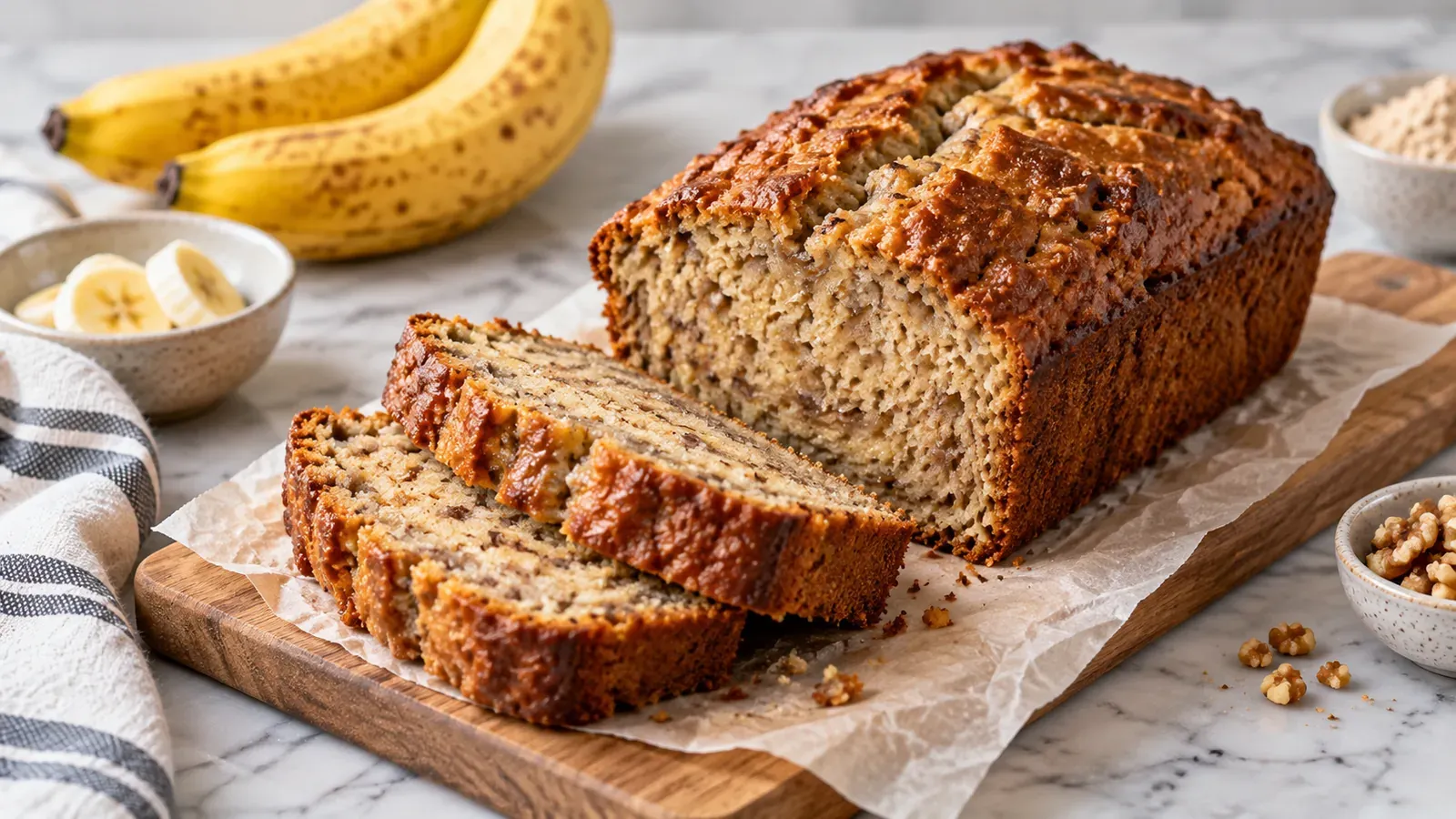
High-Protein Banana Bread
High-protein banana bread built on ripe bananas, Greek yogurt, and protein powder, with a mixing method that keeps the powder from clumping.
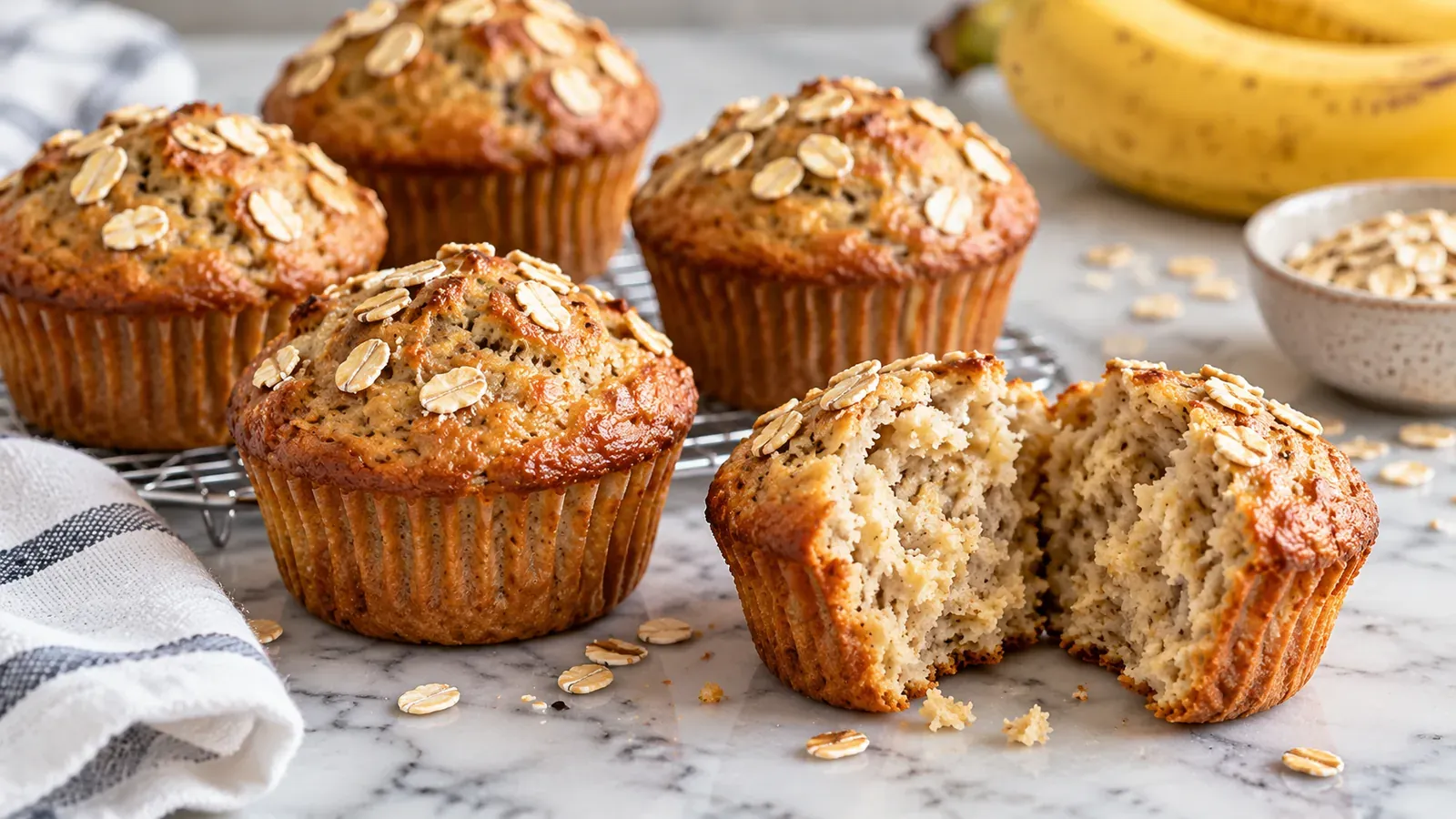
High-Protein Banana Muffins
High-protein banana muffins built on Greek yogurt and ripe bananas, portioned and portable in a way a loaf of banana bread isn't.
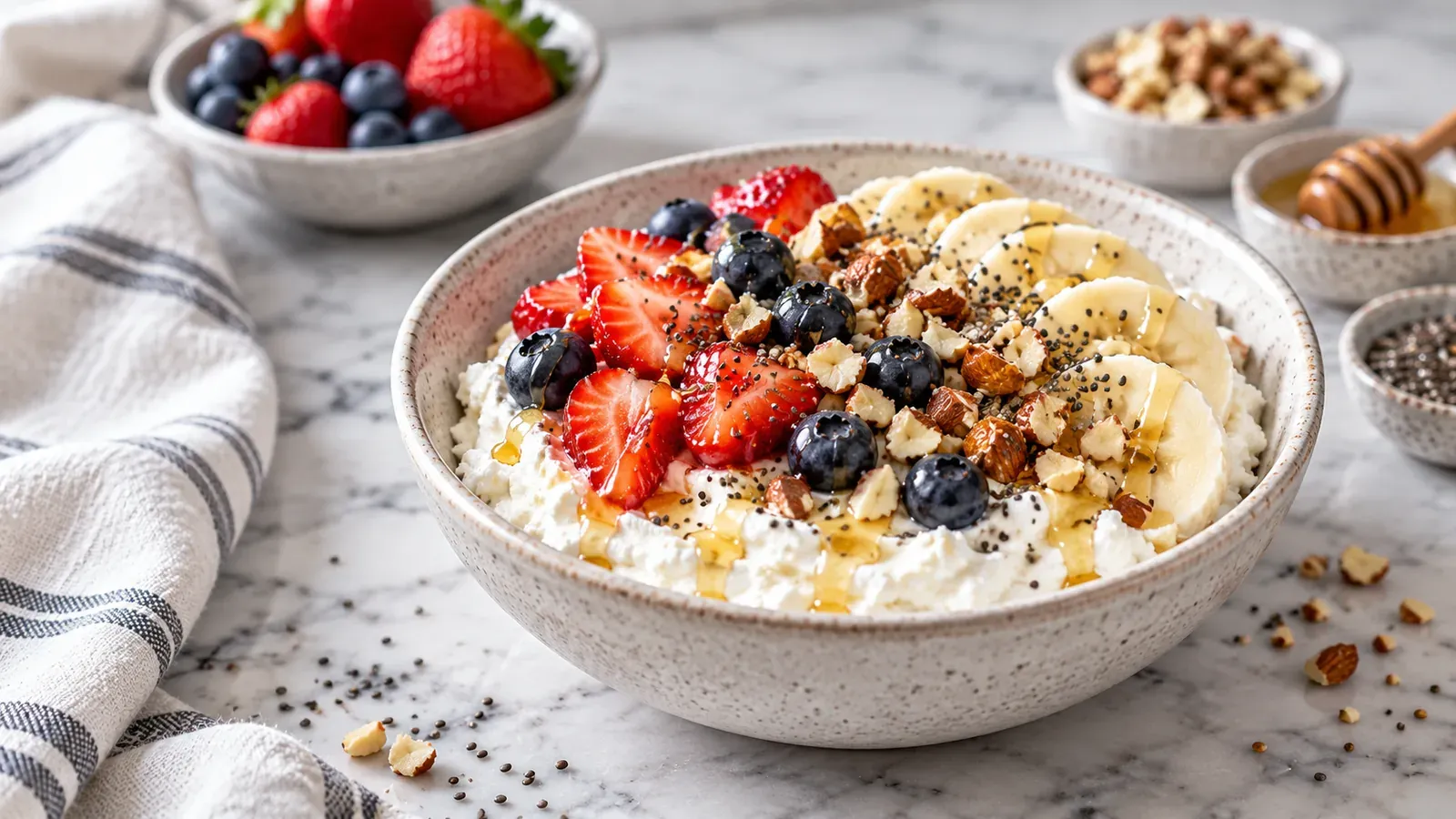
High-Protein Cottage Cheese Bowl
A whipped high-protein cottage cheese bowl: blended smooth, topped with fruit and nuts, ready in 5 minutes with no cooking.