
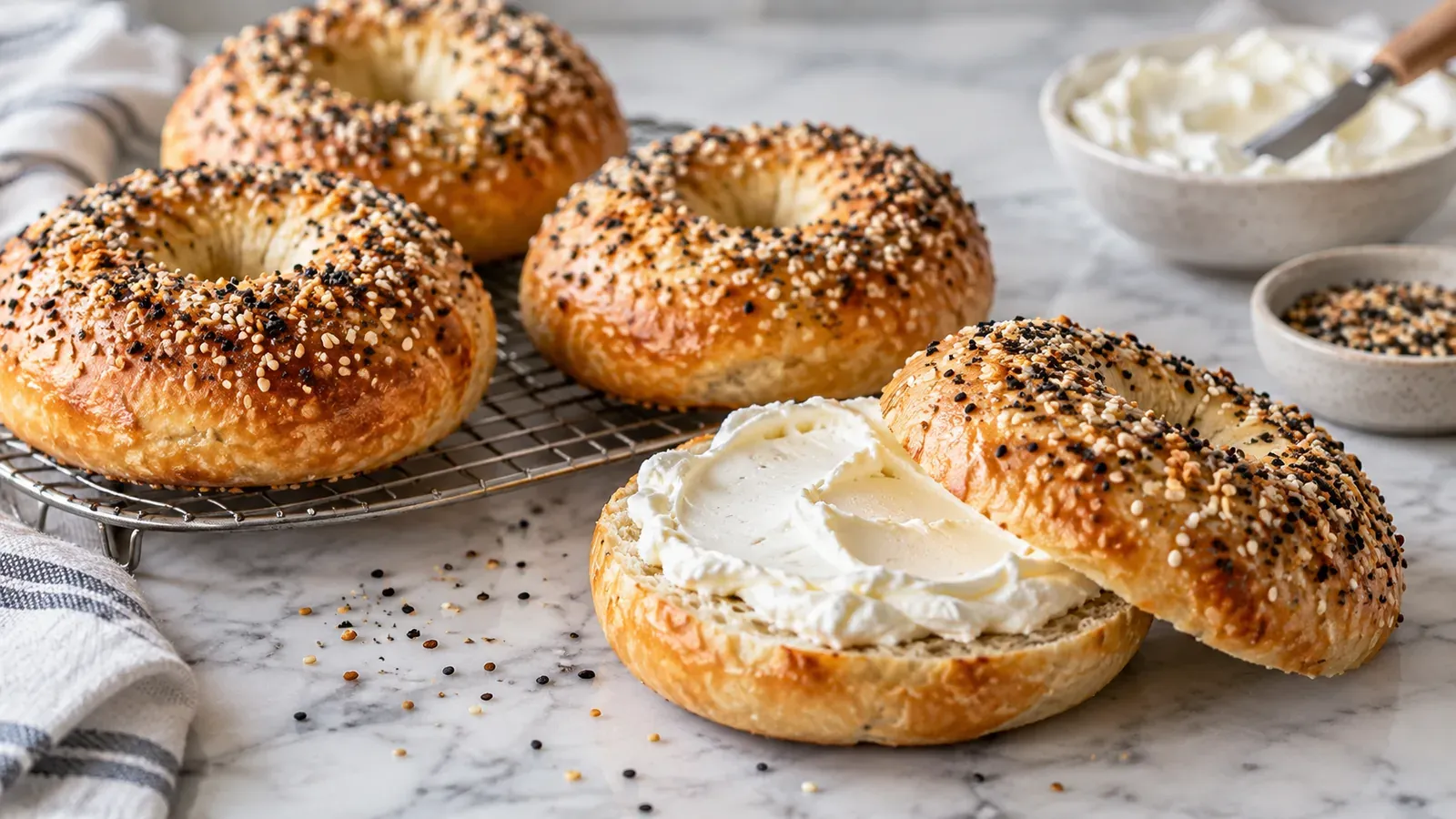
High-Protein Bagels
Per serving (1 bagel)
How I calculate this → Protein calculator →
6g of protein per 100 calories, more than 4 of the other 11 breakfast recipes here.
I bake these instead of boiling them the way a traditional bagel gets made, which is most of what makes this a 30-minute recipe instead of a half-day one. Greek yogurt does the job yeast normally would, and the dough only needs two ingredients to come together. These are best the day they're baked, but I've had good luck slicing and freezing the extras. Straight from the freezer into the toaster gets them surprisingly close to fresh again.
Why you'll love this
- Only two main ingredients: self-rising flour and Greek yogurt
- No yeast and no boiling, so it's ready in about 30 minutes start to finish
- 10g of protein per bagel, most of it from the Greek yogurt
Recipe
High-Protein Bagels
Ingredients
Instructions
- Preheat the oven to 375°F and line a baking sheet with parchment paper.
- In a large bowl, combine the self-rising flour and Greek yogurt. Mix with a spatula, then your hands, until a shaggy dough forms.
- Turn the dough out onto a lightly floured surface and knead for 2 to 3 minutes, until smooth and no longer sticky. Add a little more flour if it's still tacky.
- Divide the dough into 4 equal pieces. Roll each into a rope about 8 inches long, then join the ends to form a ring.
- Place the bagels on the prepared baking sheet, brush with the egg wash, and top with everything seasoning if using.
- Bake for 20 to 22 minutes, until golden brown.
- Let the bagels rest for at least 15 minutes before slicing. They're still setting up structurally right out of the oven.
Equipment
- Baking sheet
Notes
- I use a thick Greek yogurt, not a thin or watery one. A watery yogurt makes a wet dough that never fully firms up, no matter how much extra flour gets worked in.
- I let these rest a full 15 minutes before cutting into one. Sliced too early, the inside is gummy instead of set.
Nutrition (per serving)
| Calories | 160 |
|---|---|
| Protein | 10g |
| Carbs | 25g |
| Fat | 2g |
| Fiber | 1g |
Where these numbers come from
I calculate every figure above from USDA FoodData Central, ingredient by ingredient, then divide by the servings the recipe makes. Each FDC number links to the exact USDA entry I used. How I calculate nutrition
- Self-rising flour: FDC #168895 (Wheat flour, white, all-purpose, self-rising, enriched), 1 cup = 125g (FDC: 1 cup = 125g).
- Greek yogurt (nonfat): FDC #170894, 1 cup = 227g (Fage Total 0% label: 3/4 cup = 170g).
- Eggs: FDC #171287 (Egg, whole, raw, fresh), 1 large = 50g. Counted in full for the egg wash, though some is left over.
- Batch totals: 41.8g protein, 648 kcal, 6.9g fat, 101.3g carb, 3.4g fiber; divided by 4. Topping seasoning not counted.
Storage
Store at room temperature in an airtight container for up to 2 days, refrigerate for up to a week, or freeze for up to 2 months. Toast after freezing rather than thawing at room temperature.
FAQ
Why is my dough too sticky to shape?
Usually the yogurt. A thinner, more liquid Greek yogurt adds too much moisture. Look for a thick, scoopable variety, and add flour a tablespoon at a time if the dough won’t come together.
Do I have to boil these first like a traditional bagel?
No. Skipping the boil is what makes this a 30-minute recipe. The texture is a little denser and less chewy than a boiled-and-baked bagel, but it’s a real bagel, not a roll pretending to be one.
Can I make these ahead for the week?
Yes. They freeze well split in half, so you can pull two halves straight from the freezer into the toaster on a busy morning.
Looking for more breakfast ideas: the high-protein pizza uses the same no-yeast, two-ingredient dough approach, built on cottage cheese instead of Greek yogurt.
The dough is built on Greek yogurt, and High-Protein Yogurt compares nine brands by their labels.
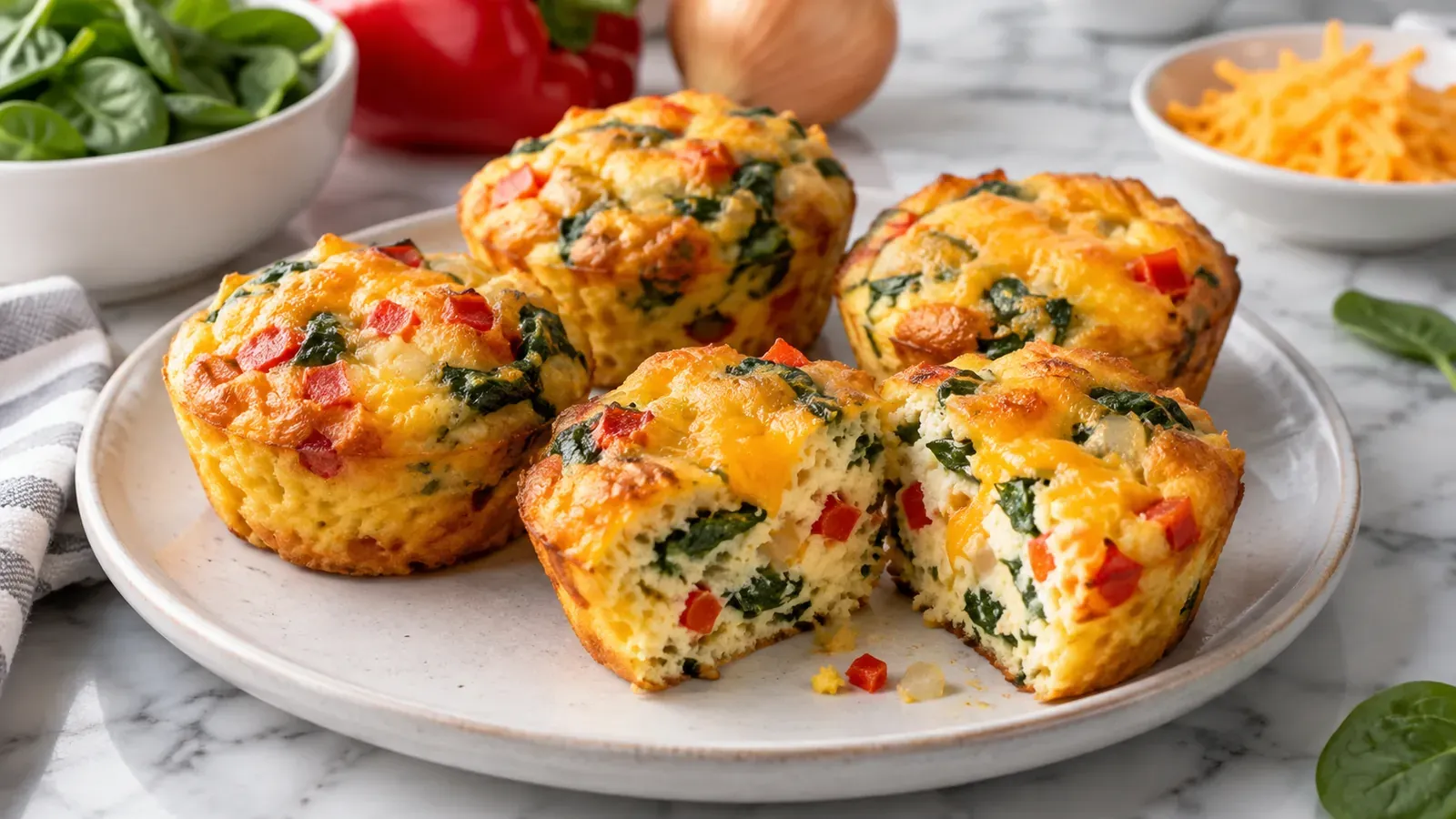
High-Protein Egg Muffins
Baked egg muffins with bell pepper, onion, spinach, and cheddar: a real make-ahead breakfast, ready to reheat all week.
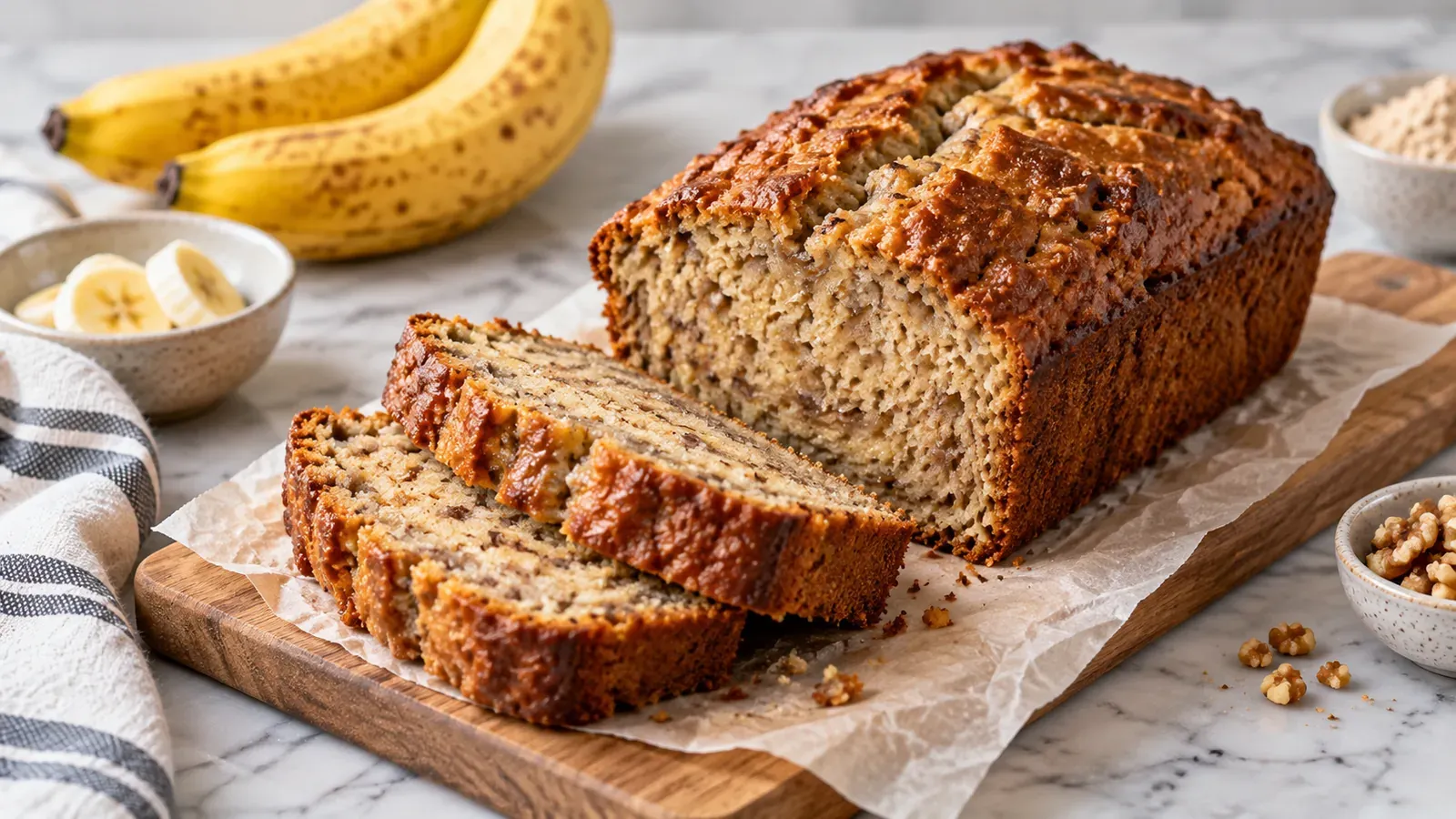
High-Protein Banana Bread
High-protein banana bread built on ripe bananas, Greek yogurt, and protein powder, with a mixing method that keeps the powder from clumping.
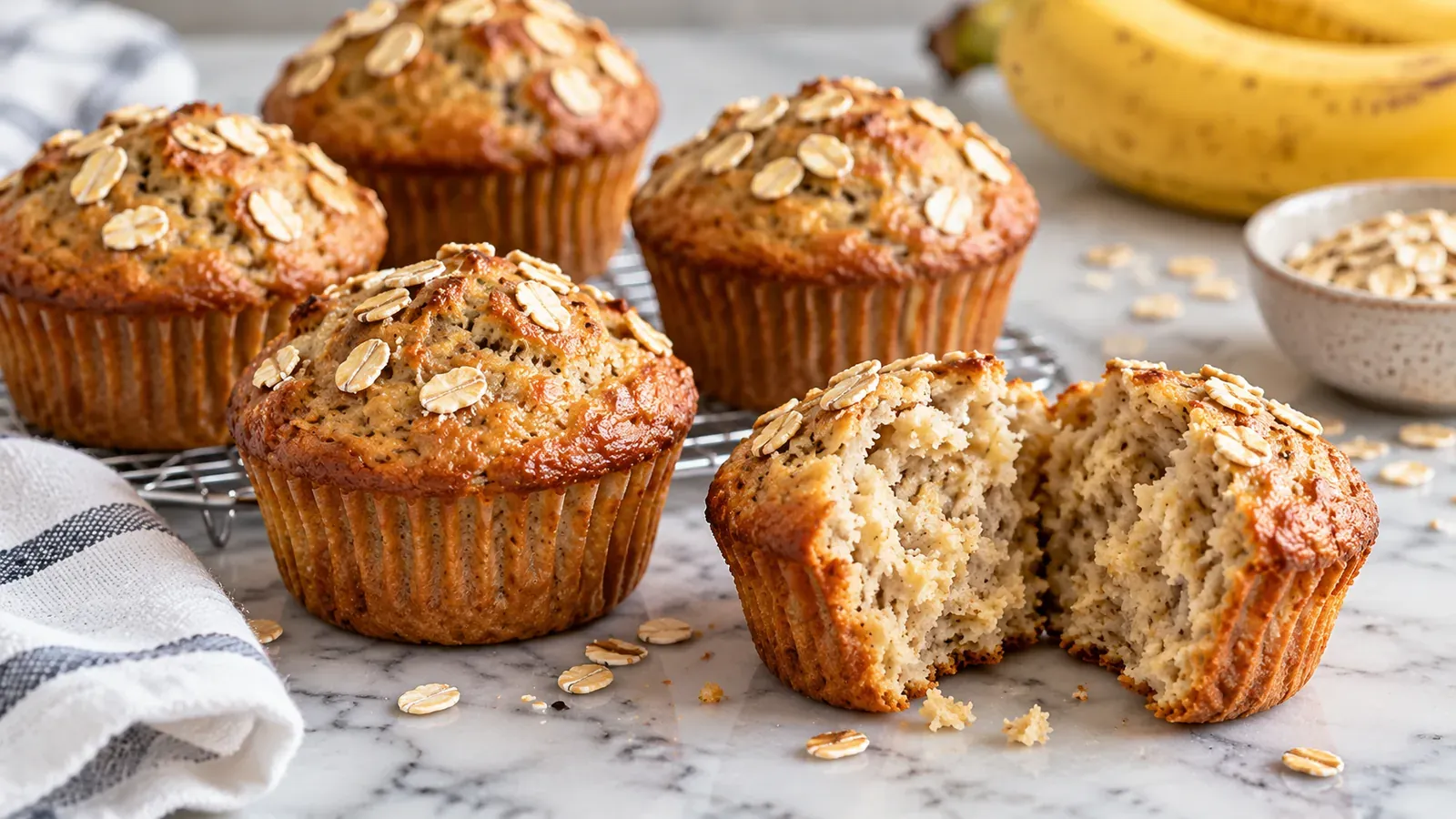
High-Protein Banana Muffins
High-protein banana muffins built on Greek yogurt and ripe bananas, portioned and portable in a way a loaf of banana bread isn't.
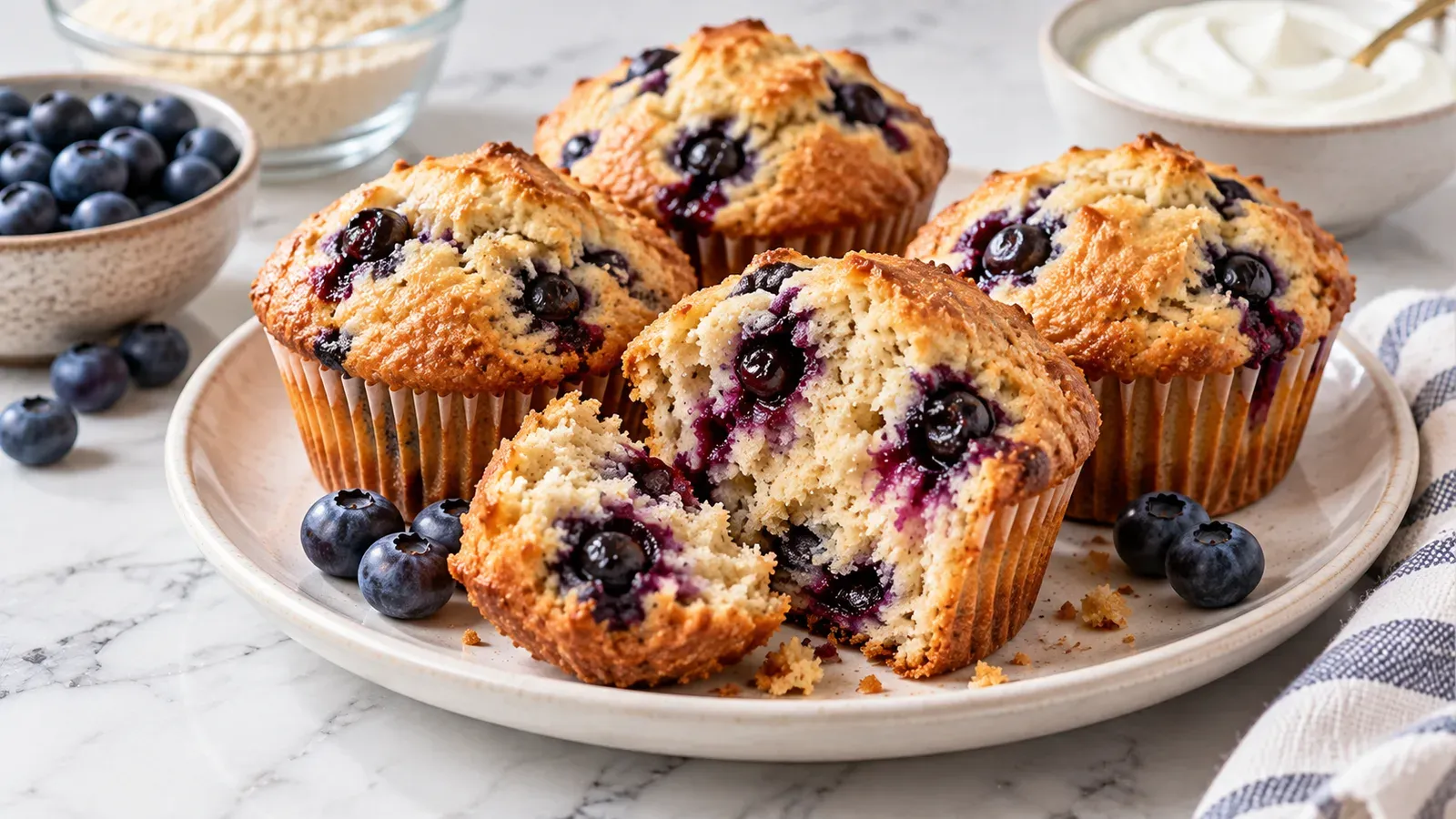
High-Protein Blueberry Muffins
High-protein blueberry muffins made with almond flour and Greek yogurt: gluten-free, low-calorie, ready in 35 minutes.
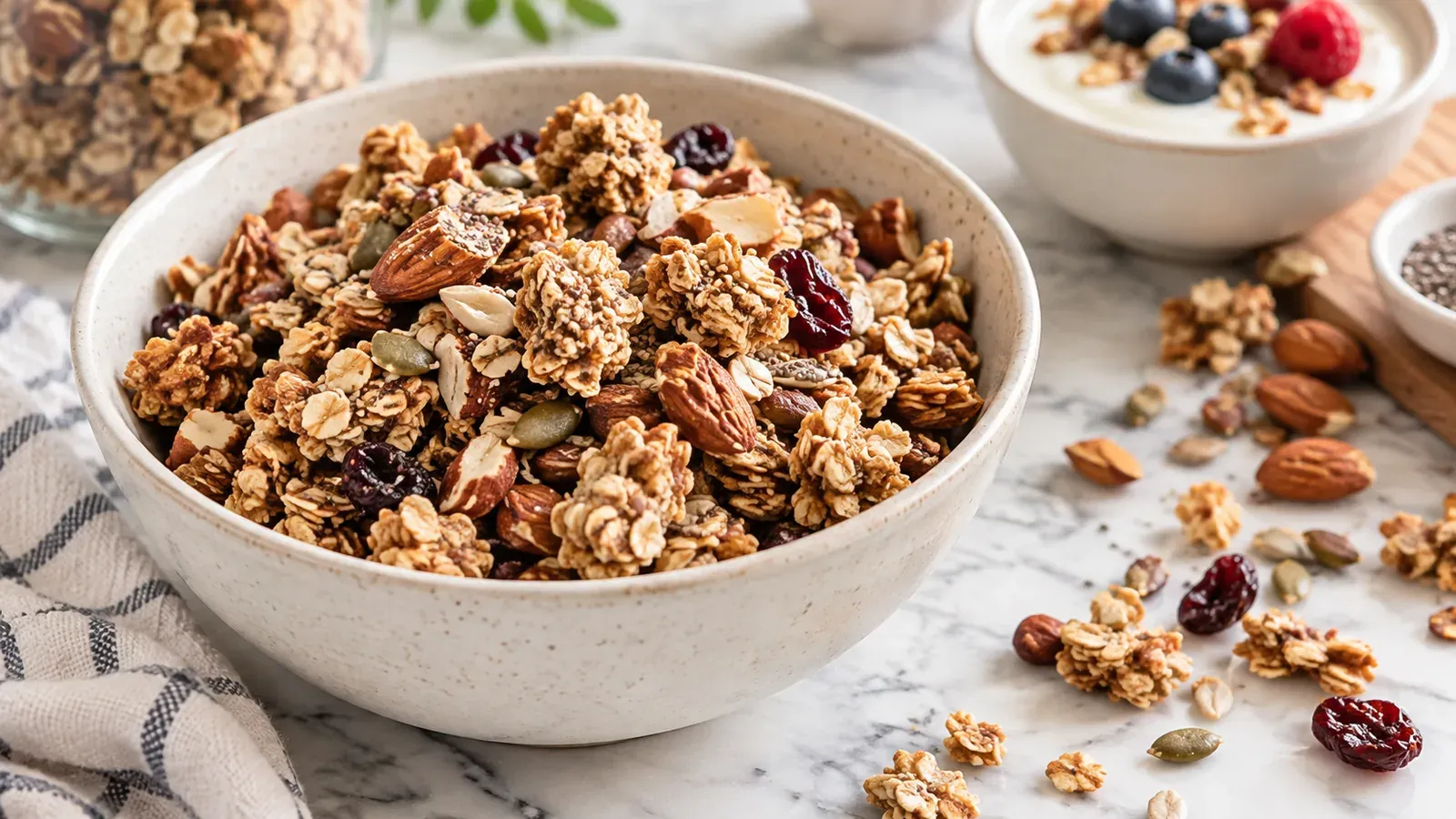
High-Protein Granola
Homemade high-protein granola with protein powder, nuts, and seeds, baked into real clusters instead of loose crumbs.
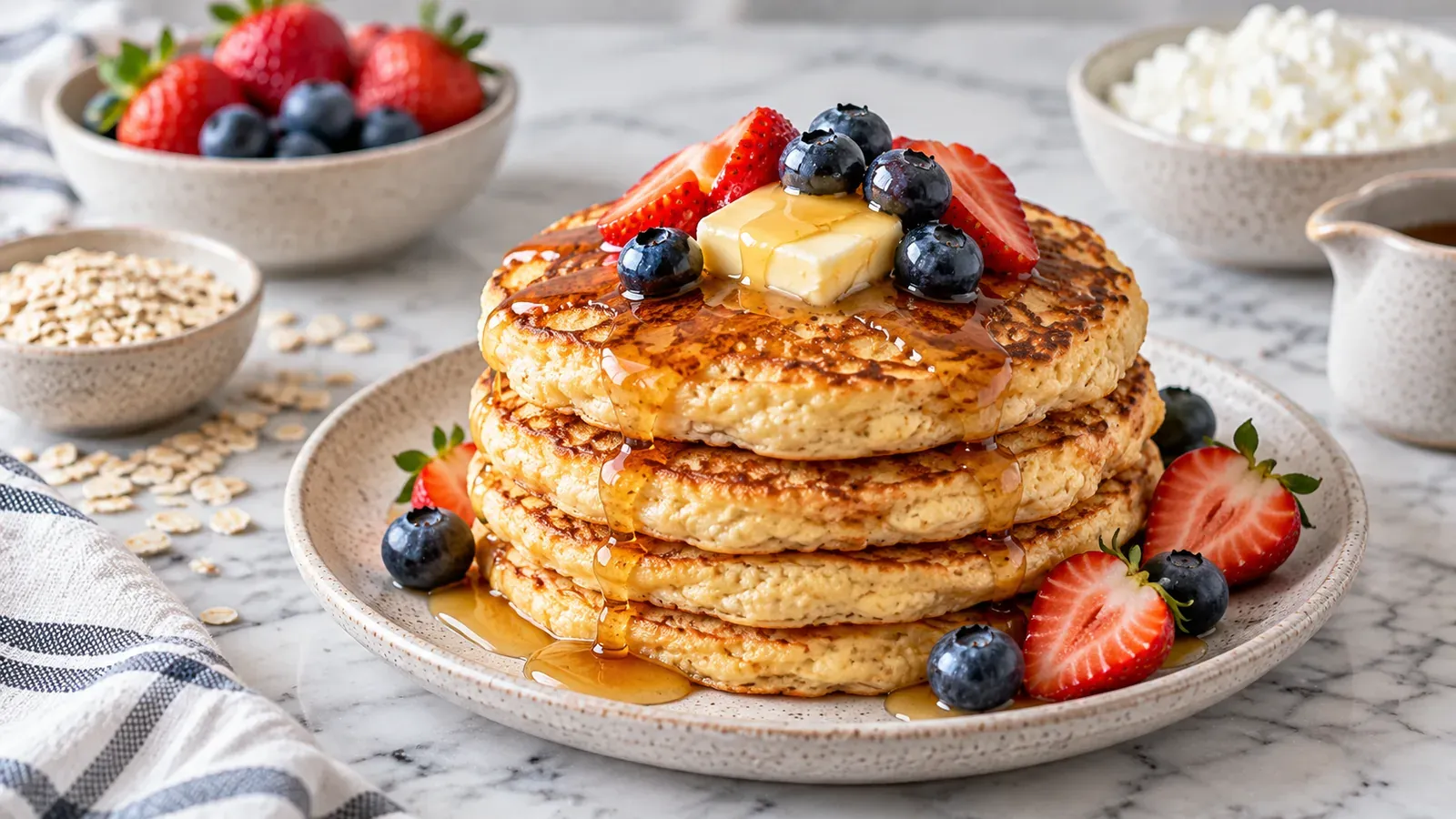
High-Protein Pancakes
Blender high-protein pancakes made from cottage cheese, eggs, and oats, no protein powder or pancake mix required.