
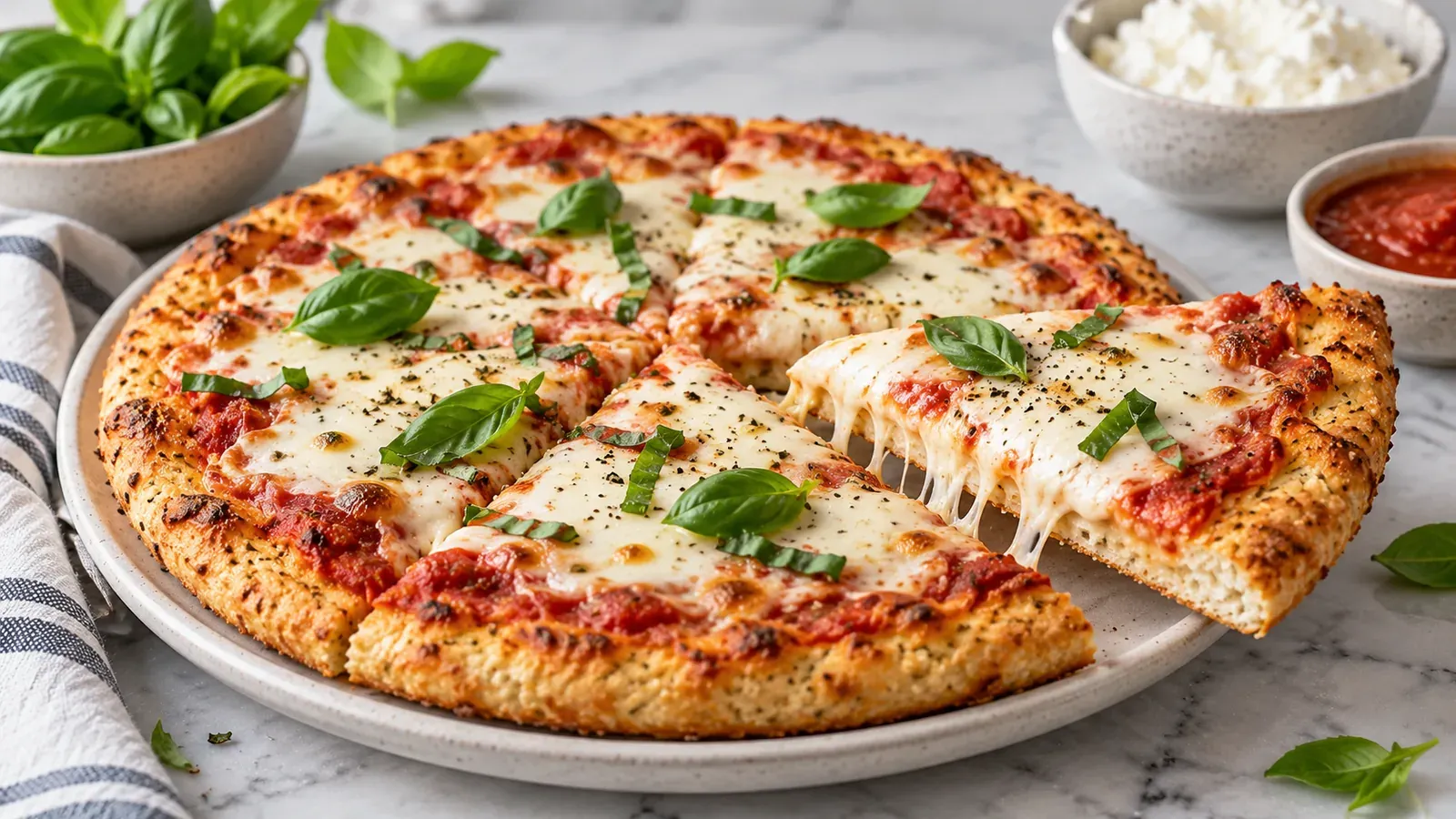
High-Protein Pizza
Per serving (1 slice (1/4 of the pizza))
How I calculate this → Protein calculator →
6g of protein per 100 calories, more than 5 of the other 27 dinner recipes here.
I skip yeast and rise time entirely here. The crust is just blended cottage cheese and self-rising flour, worked into a dough by hand and baked before it ever sees toppings. It comes out crisp at the edges, not doughy in the middle, which is the part regular high-protein crusts usually get wrong. I've had the best results keeping the toppings fairly light. The crust holds up well, but piling on a lot of sauce and wet toppings works against the crisp texture that makes this version good in the first place.
Why you'll love this
- 22g of protein per serving from a cottage cheese crust, no yeast or rise time
- Par-baking the crust first is what keeps the middle from going soggy
- Mix, bake, and top: no proofing to plan around
Recipe
High-Protein Pizza
Ingredients
Instructions
- Preheat the oven to 425°F and line a baking sheet or pizza pan with parchment paper.
- Blend the cottage cheese in a blender or food processor until completely smooth, with no visible curds, about 30 seconds.
- In a large bowl, stir the blended cottage cheese, self-rising flour, and salt together until a shaggy dough forms. Finish bringing it together with your hands.
- Turn the dough out onto the parchment and press or roll it into a round or rectangle, about 1/4 inch thick.
- Par-bake the crust for 12 to 15 minutes, until it's set and lightly golden at the edges.
- Remove from the oven, spread with marinara, top with mozzarella and your chosen toppings, and sprinkle with oregano.
- Return to the oven for another 8 to 10 minutes, until the cheese is melted and bubbling.
Equipment
- Baking sheet or pizza stone
- Blender or food processor
Notes
- I blend the cottage cheese thoroughly before mixing it into the dough. Any curds left whole turn into odd pockets in the baked crust instead of disappearing into it.
- I par-bake the crust before adding toppings. Skipping that step is the main reason a cottage cheese crust ends up soggy in the middle instead of crisp at the edges.
Nutrition (per serving)
| Calories | 365 |
|---|---|
| Protein | 22g |
| Carbs | 43g |
| Fat | 11g |
| Fiber | 2g |
Where these numbers come from
I calculate every figure above from USDA FoodData Central, ingredient by ingredient, then divide by the servings the recipe makes. Each FDC number links to the exact USDA entry I used. How I calculate nutrition
- Cottage cheese: FDC #172179 (Cheese, cottage, creamed, 4%), 1.5 cups small curd = 337.5g (FDC: 1 cup small curd = 225g).
- Self-rising flour: FDC #168895 (Wheat flour, white, all-purpose, self-rising, enriched), 1.5 cups = 187.5g (FDC: 1 cup = 125g).
- Marinara: FDC #171192 (Sauce, pasta, spaghetti/marinara, ready-to-serve), 1/2 cup = 132g.
- Mozzarella: FDC #170900 (Cheese, mozzarella, low moisture, part-skim, shredded), 1.5 cups = 129g (FDC: 1 cup = 86g).
- Oregano: FDC #171328, 1 tsp = 1g.
- Batch totals: 88.4g protein, 1,455 kcal, 43.9g fat, 171.4g carb, 7.9g fiber; divided by 4. Toppings not counted.
Storage
Refrigerate leftover slices in an airtight container for up to 3 days. Reheat in a hot oven or skillet rather than the microwave to keep the crust from turning soft.
FAQ
Can I make the crust ahead of time?
Yes. Par-bake it, let it cool completely, then refrigerate for up to 5 days or freeze for a couple of months. Add toppings and finish baking straight from cold.
Can I use low-fat cottage cheese instead of full-fat?
Yes, it works, though full-fat gives a richer flavor and a slightly better texture once baked. Low-fat is a fine swap if that’s what’s in the fridge.
Why did my crust turn out gummy in the middle?
Almost always an under-baked par-bake step. Give the crust the full 12 to 15 minutes before adding sauce and toppings, even if the edges look done sooner.
Looking for more vegetarian high-protein meals: the high-protein mac and cheese uses a similar cottage-cheese-forward approach in a completely different direction.
The crust is built on cottage cheese, and Is Cottage Cheese High in Protein? covers why it doesn’t always get credit as a protein source.
High-Protein Air Fryer Tofu
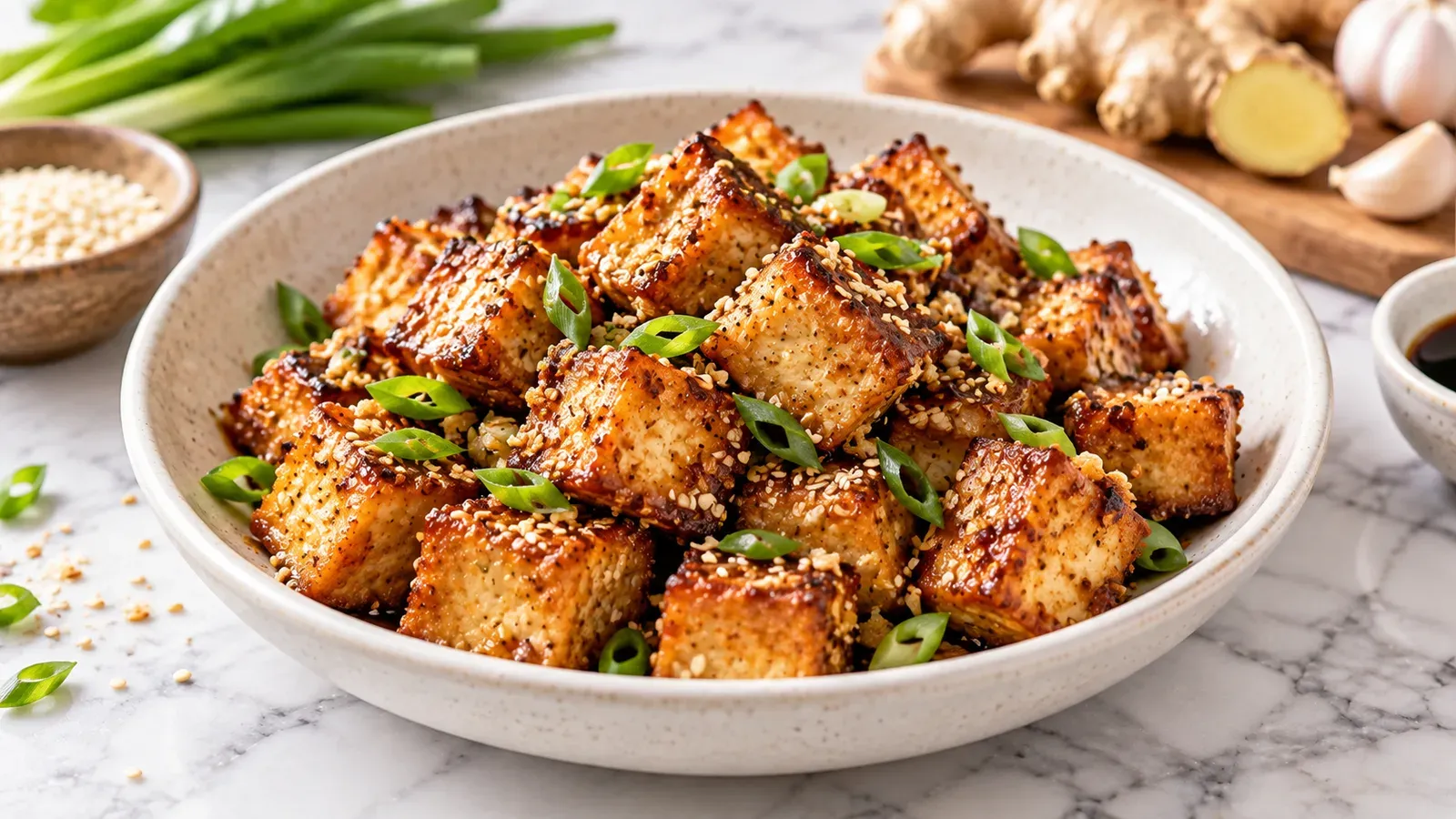
Crispy air fryer tofu with a cornstarch coating and soy-sesame glaze: a high-protein, low-calorie, vegan dinner in 25 minutes.
High-Protein Black Bean and Quinoa Bowl
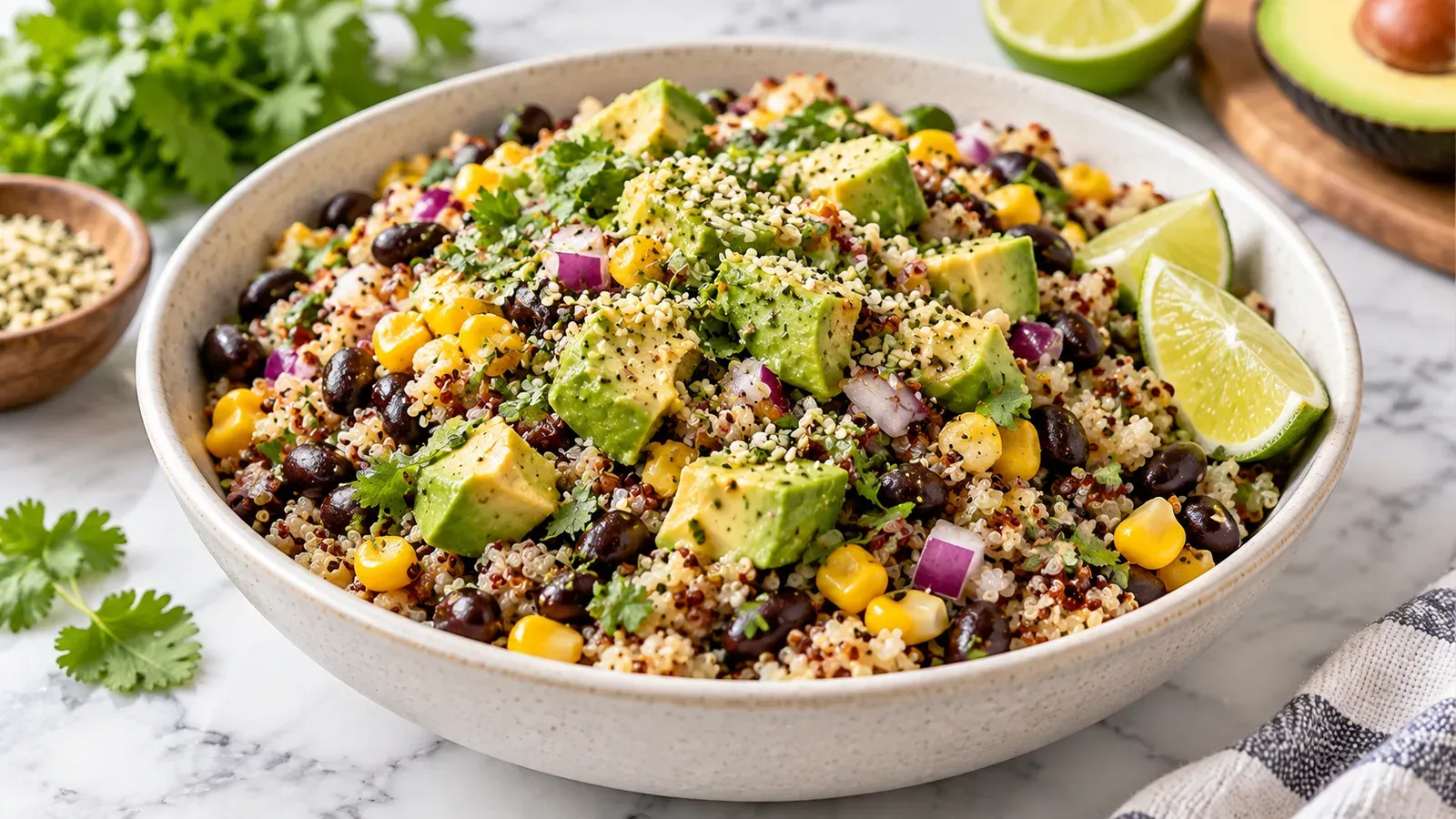
A high-protein vegan grain bowl with black beans, quinoa, corn, and avocado: high-fiber, no meat or dairy.
High-Protein Lentil Soup
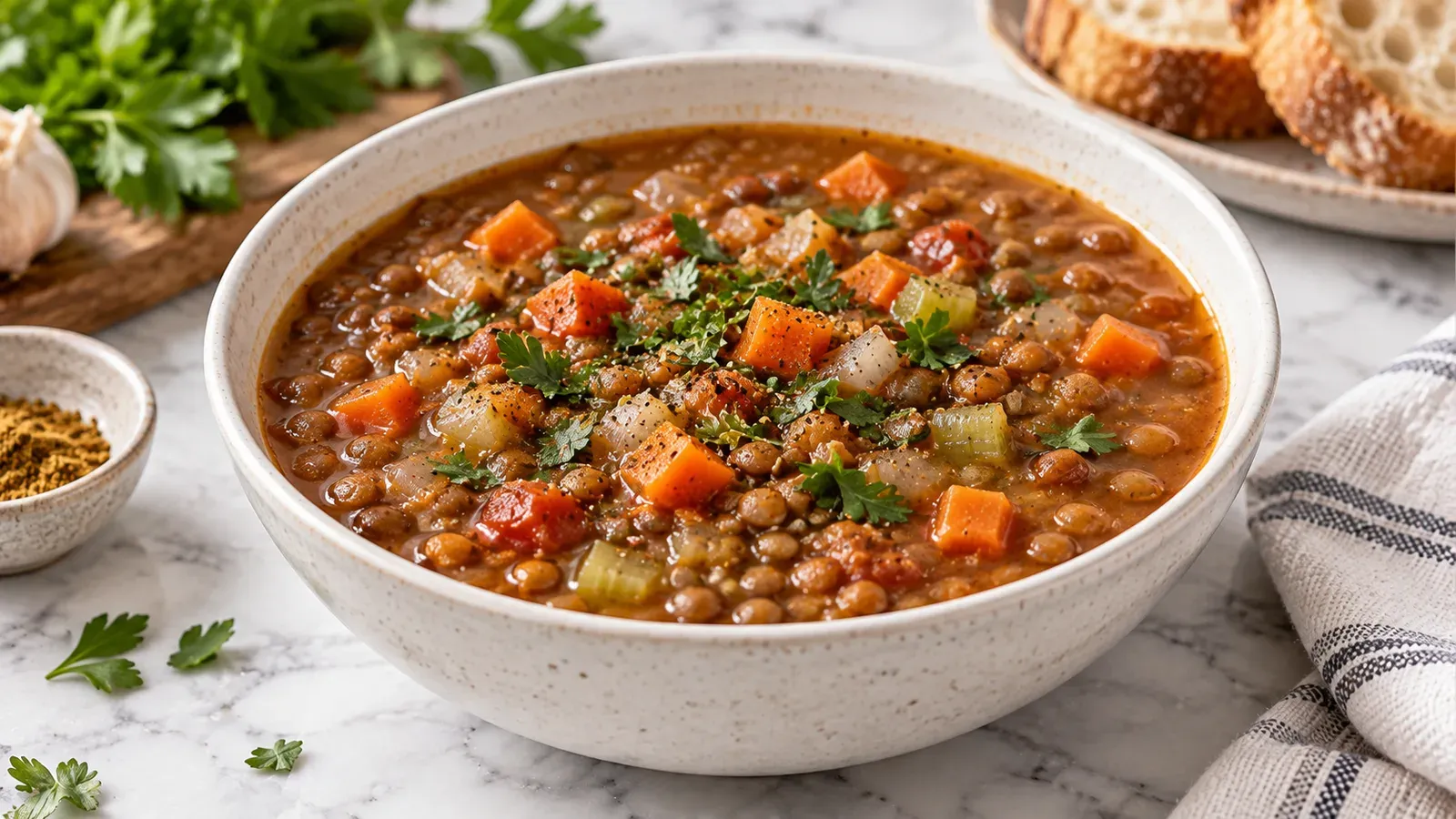
A high-protein vegan lentil soup with carrot and celery: high-fiber, stovetop, and freezes well.
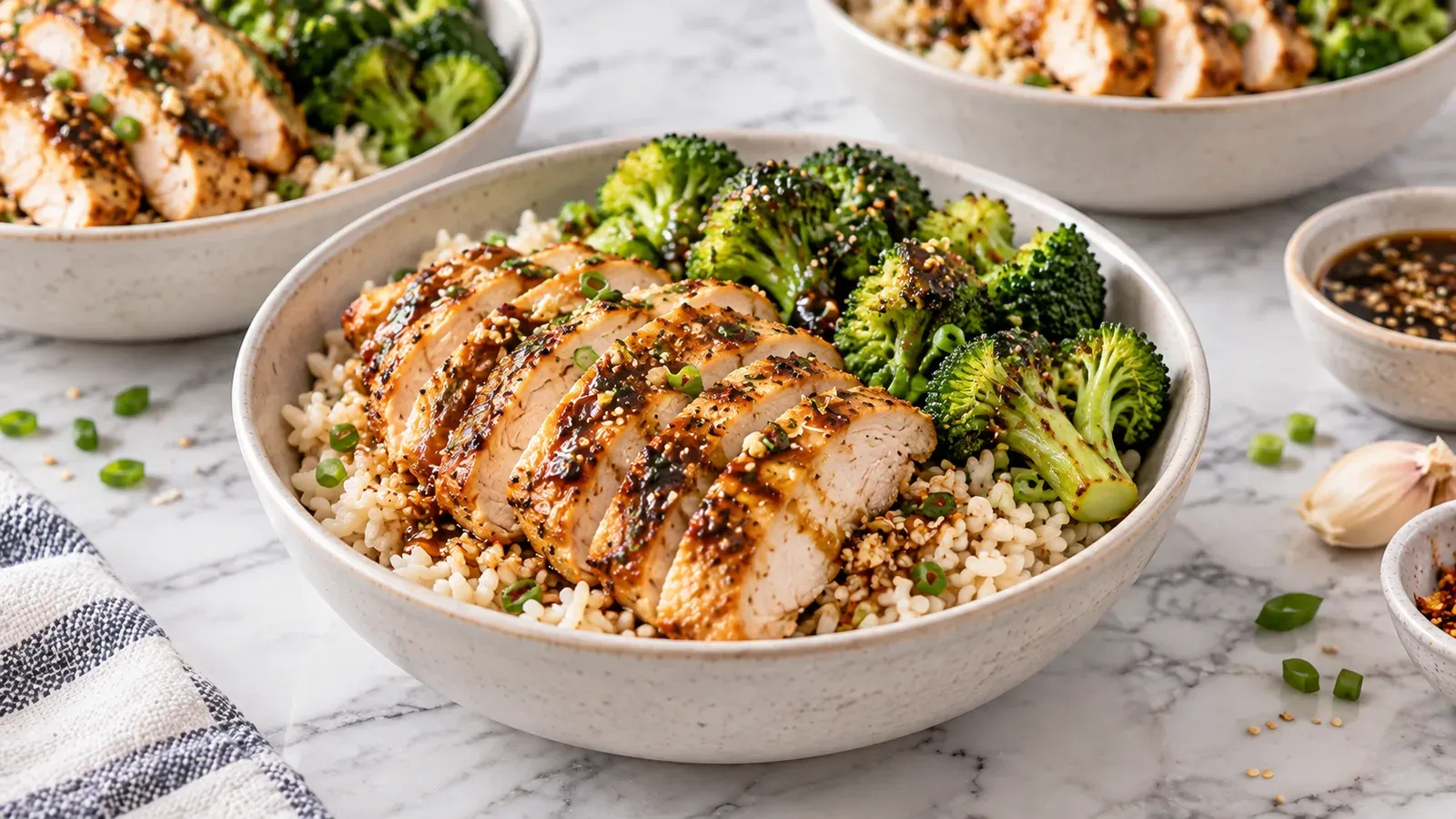
High-Protein Meal Prep Bowls
High-protein chicken meal prep bowls with rice and broccoli: batch-cook once, four lunches ready to go.
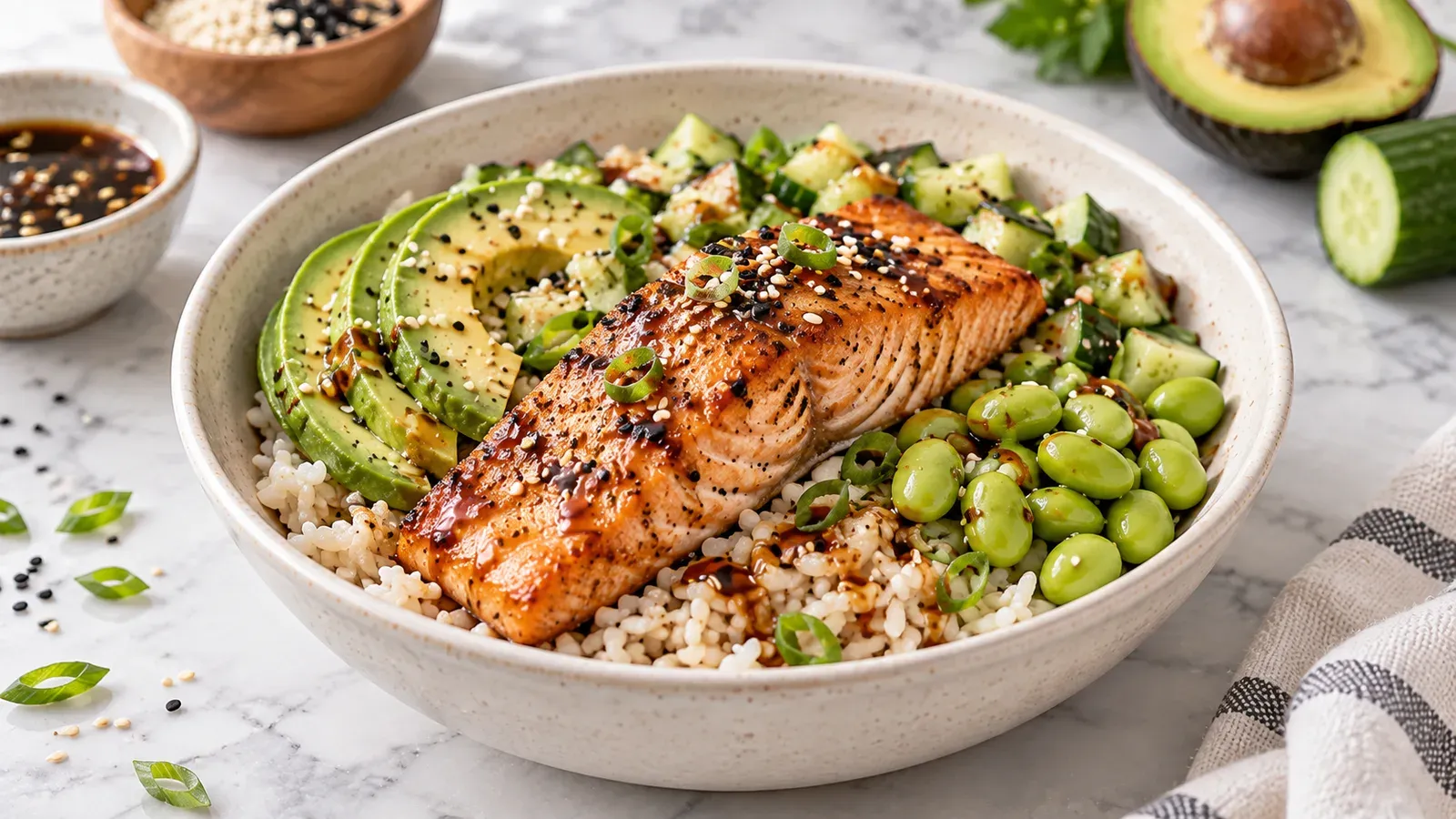
High-Protein Salmon Bowl
A high-protein salmon rice bowl with avocado, cucumber, and edamame: a high-fiber dinner with a simple soy-sesame dressing.
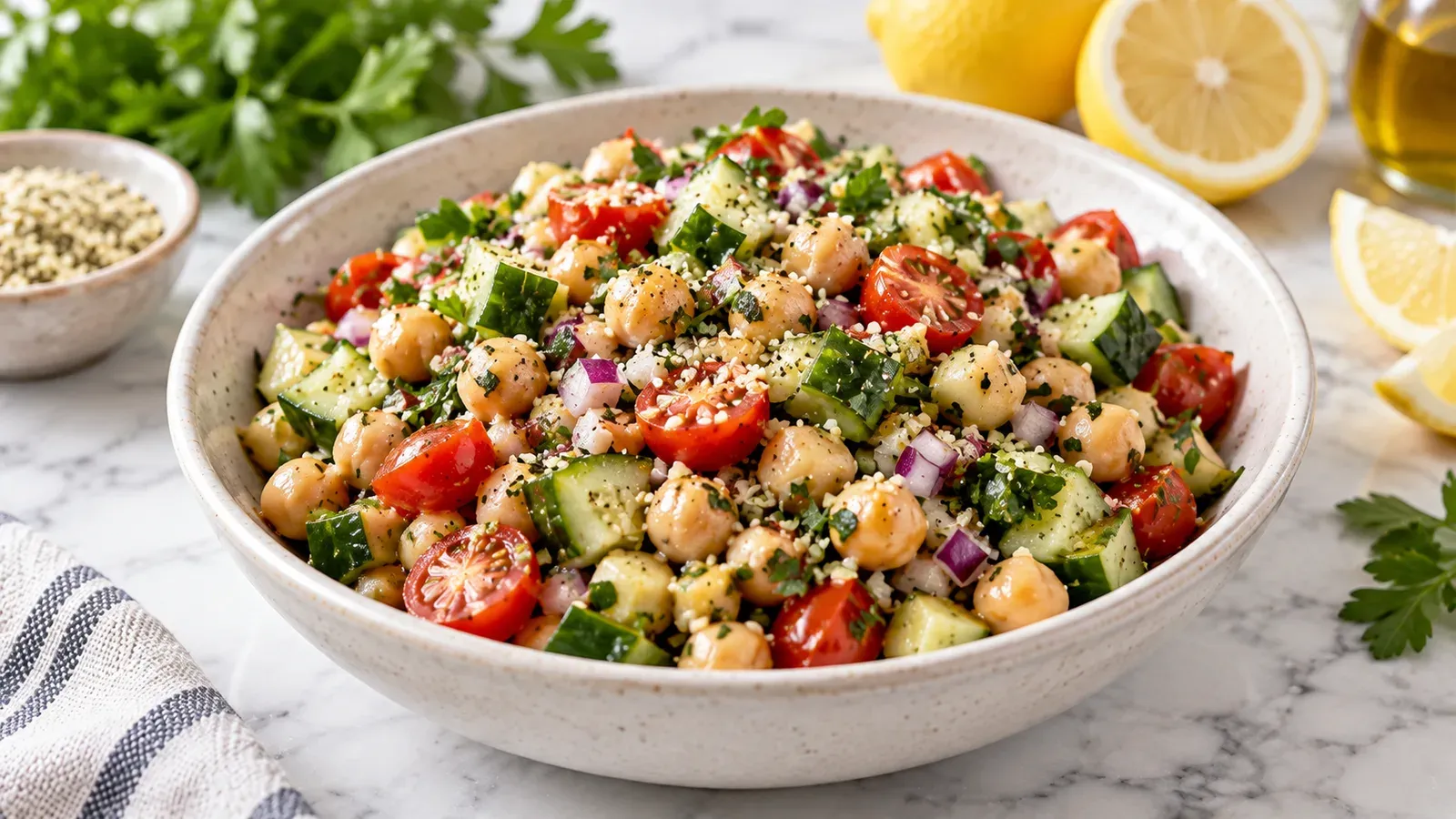
High-Protein Chickpea Salad
A high-protein vegan chickpea salad with hemp hearts, cucumber, and tomato: no-cook, high-fiber, ready in 15 minutes.