
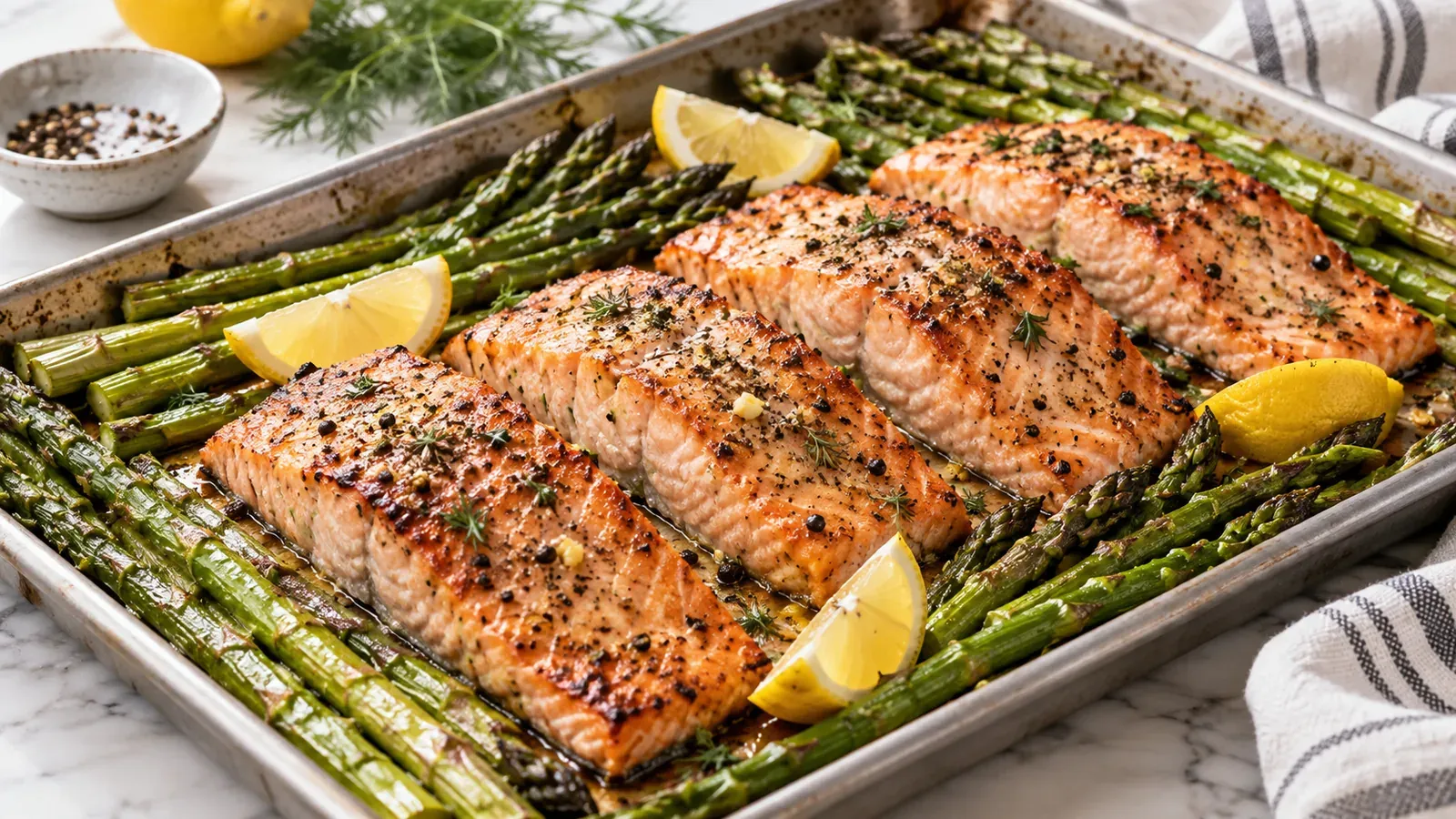
High-Protein Sheet-Pan Salmon with Asparagus
Per serving (1 fillet with asparagus)
How I calculate this → Protein calculator →
9g of protein per 100 calories, more than 11 of the other 27 dinner recipes here.
I roast the salmon and asparagus at the same oven temperature, so this is genuinely one pan and about 15 minutes of hands-off cooking. Salmon carries a solid protein number on its own, no extra work required. I try to use salmon fillets that are fairly similar in thickness so everything finishes at the same time. A thin tail piece can overcook before a thick center-cut fillet is ready.
Why you'll love this
- 33g of protein per serving, 30g of it from the salmon, no extra protein source needed
- One sheet pan, about 15 minutes of hands-off roasting
- Salmon and asparagus finish at the same oven temperature
Recipe
High-Protein Sheet-Pan Salmon with Asparagus
Ingredients
Instructions
- Preheat the oven to 400°F and line a sheet pan with parchment paper.
- Arrange the asparagus on one side of the pan. Toss with half the olive oil, salt, and pepper.
- Pat the salmon fillets dry and place them on the other side of the pan. Rub with the remaining olive oil and minced garlic, then season with salt and pepper.
- Top each fillet with a lemon slice and sprinkle the dill over the salmon and asparagus.
- Roast for 12 to 15 minutes, until the salmon flakes easily with a fork and reaches an internal temperature of 145°F, and the asparagus is tender-crisp.
- Squeeze the fresh lemon juice over everything just before serving.
Equipment
- Rimmed sheet pan
Notes
- Asparagus thickness varies a lot, so I keep an eye on it. Thin spears may finish a few minutes before the salmon; I pull them early and tent them with foil if needed.
- I rely on an instant-read thermometer to avoid over- or under-cooking the salmon.
Nutrition (per serving)
| Calories | 365 |
|---|---|
| Protein | 33g |
| Carbs | 6g |
| Fat | 24g |
| Fiber | 2g |
Where these numbers come from
I calculate every figure above from USDA FoodData Central, ingredient by ingredient, then divide by the servings the recipe makes. Each FDC number links to the exact USDA entry I used. How I calculate nutrition
- Salmon: FDC #175168 (Fish, salmon, Atlantic, farmed, cooked, dry heat), 4 fillets x 6 oz raw = 680g, scaled to an 80% cooked yield for fish = 544g cooked, the same basis as the grilled and air fryer salmon recipes (30g protein per fillet).
- Asparagus: FDC #168389 (Asparagus, raw), 1 lb = 454g, counted as purchased (trimmed ends make the real number slightly lower).
- Olive oil: FDC #171413, 2 tbsp = 27g.
- Garlic: FDC #169230 (Garlic, raw), 3 cloves = 9g.
- Lemon juice: FDC #167747, half a lemon juiced = 24g (FDC: 1 lemon yields 48g). Lemon slices and dill not counted.
- Batch totals: 130.9g protein, 1,469 kcal, 95.1g fat, 22.3g carb, 9.8g fiber; divided by 4. (2026-09-28: previous 37g figure was inconsistent with the same 6 oz fillet in the other salmon recipes.)
Storage
Refrigerate in an airtight container for up to 3 days. Salmon reheats best gently, either in a low oven (around 275°F) for 10 minutes or in the microwave at half power, to avoid drying it out.
FAQ
Can I use frozen salmon?
Yes, if it’s fully thawed and patted dry first. Excess surface moisture will steam the fish instead of letting it roast properly.
What can I use instead of asparagus?
Green beans or broccoli florets both roast in a similar time frame and work well as a swap. Adjust the cook time slightly if the vegetable is denser than asparagus.
How do I know the salmon is done without a thermometer?
Press gently with a fork at the thickest part. If it flakes apart easily and looks opaque all the way through, it’s done. A thermometer is more reliable, but this works in a pinch.
Looking for more low-carb seafood: the shrimp and cauliflower rice stir-fry is another dinner that’s ready in about the same amount of time.
High-Protein Vegetables shows where asparagus lands among common vegetables on protein.
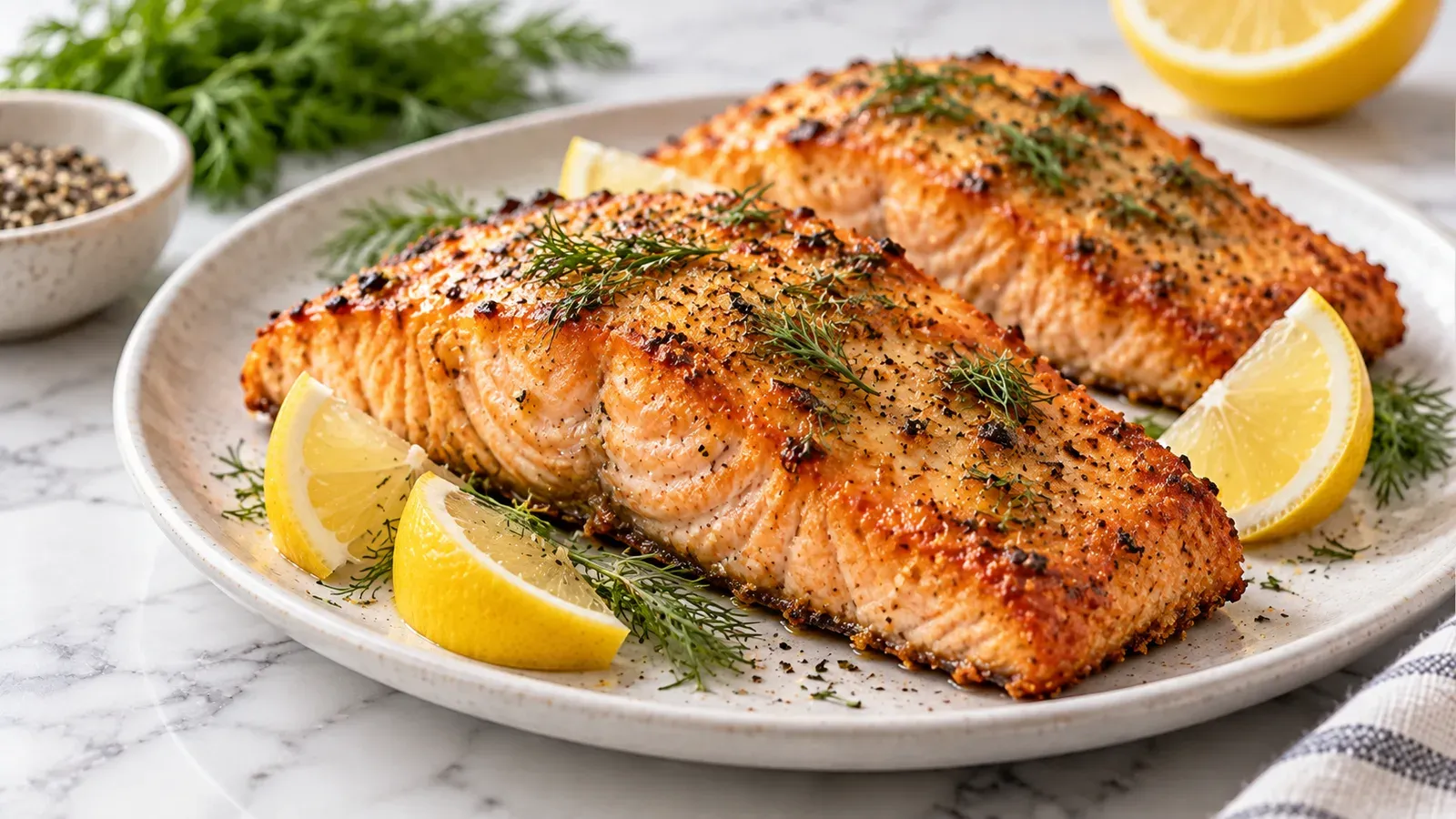
High-Protein Air Fryer Salmon
Air fryer salmon with lemon, garlic, and dill: a high-protein, low-carb dinner ready in 20 minutes with no oven preheat.
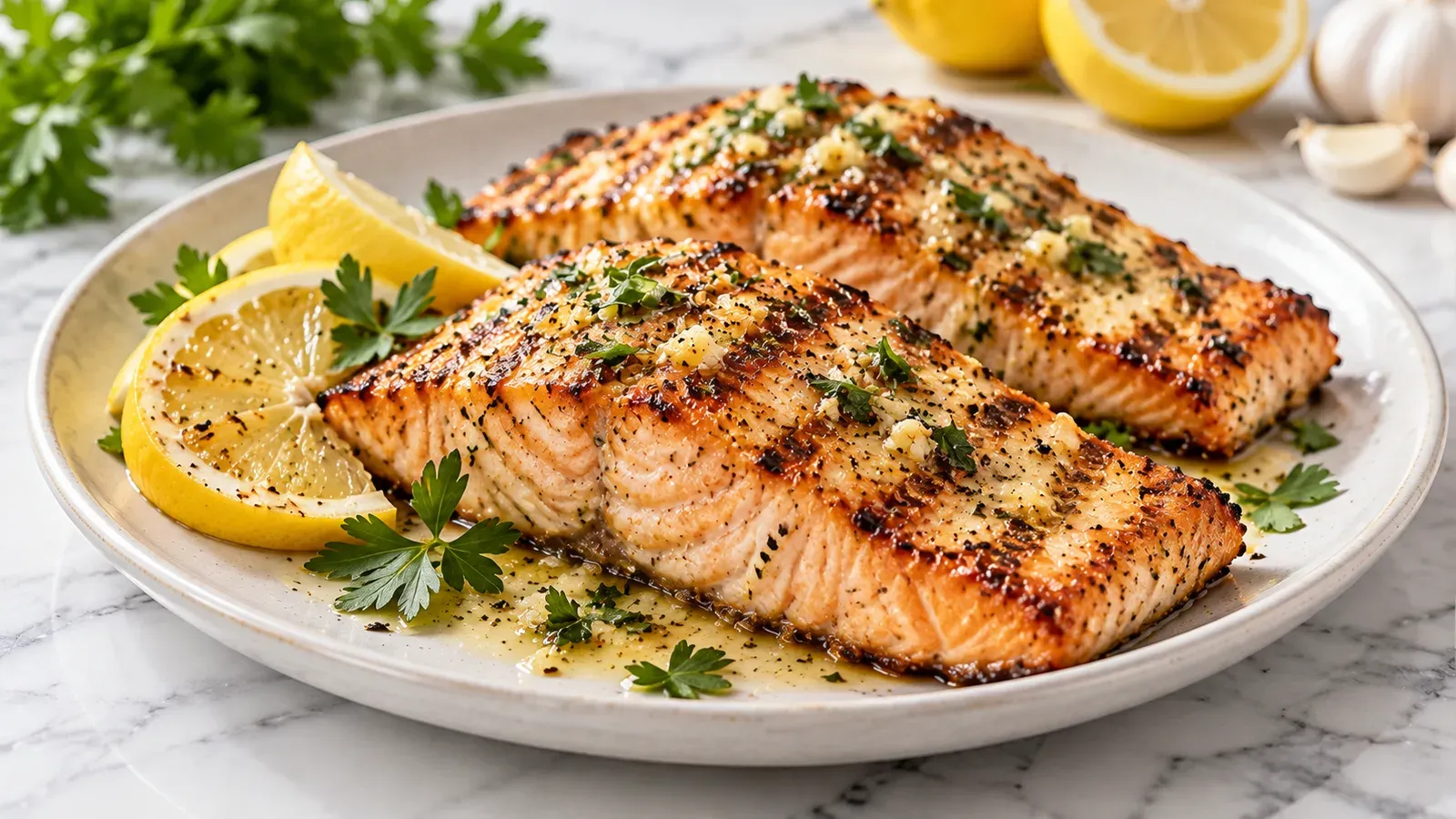
High-Protein Grilled Salmon
Simple grilled salmon with lemon and garlic: a high-protein, low-carb dinner ready in under 20 minutes.
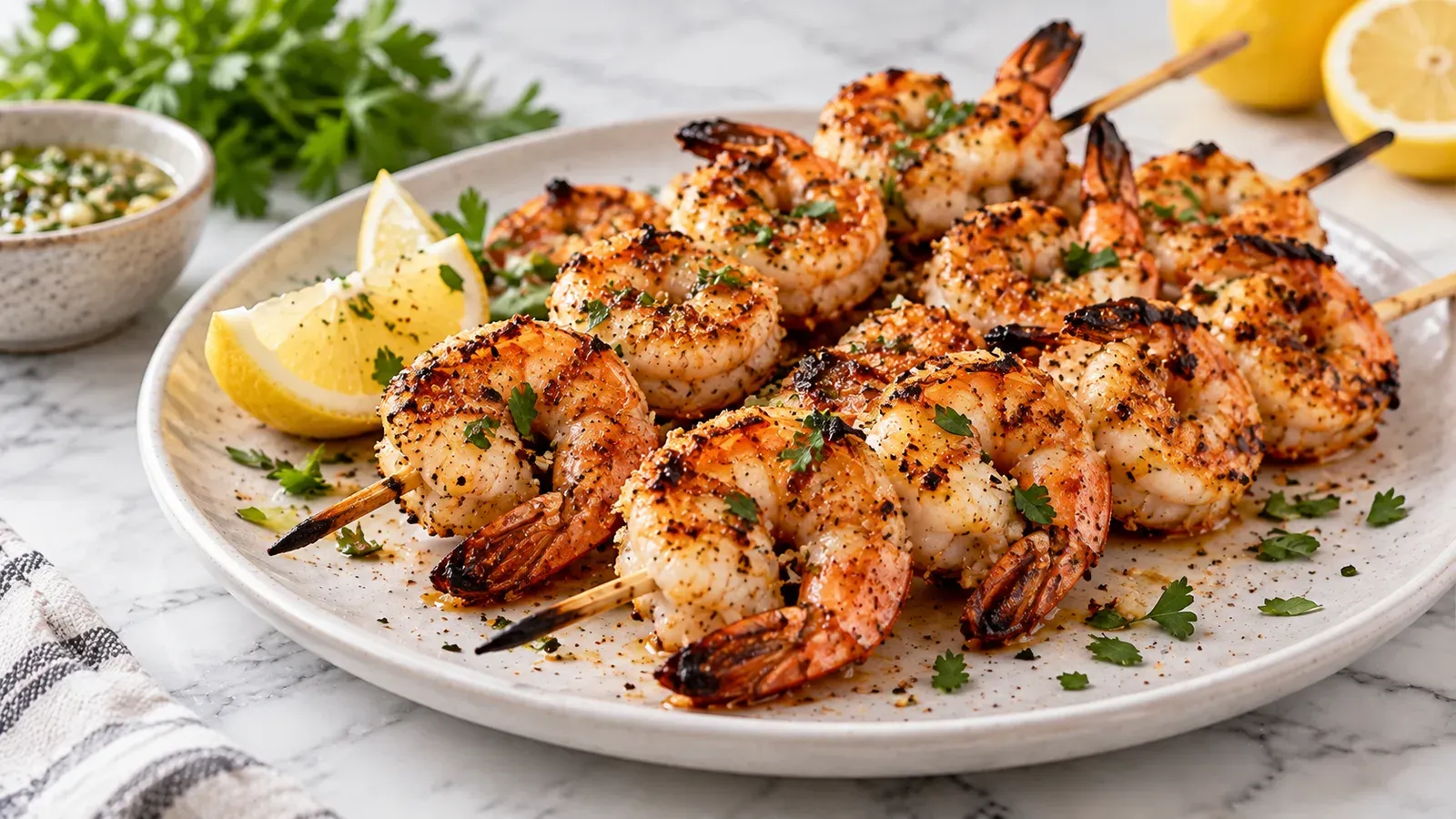
High-Protein Grilled Shrimp Skewers
Grilled shrimp skewers with garlic and lemon: a high-protein, low-carb, low-calorie dinner ready in under 25 minutes.
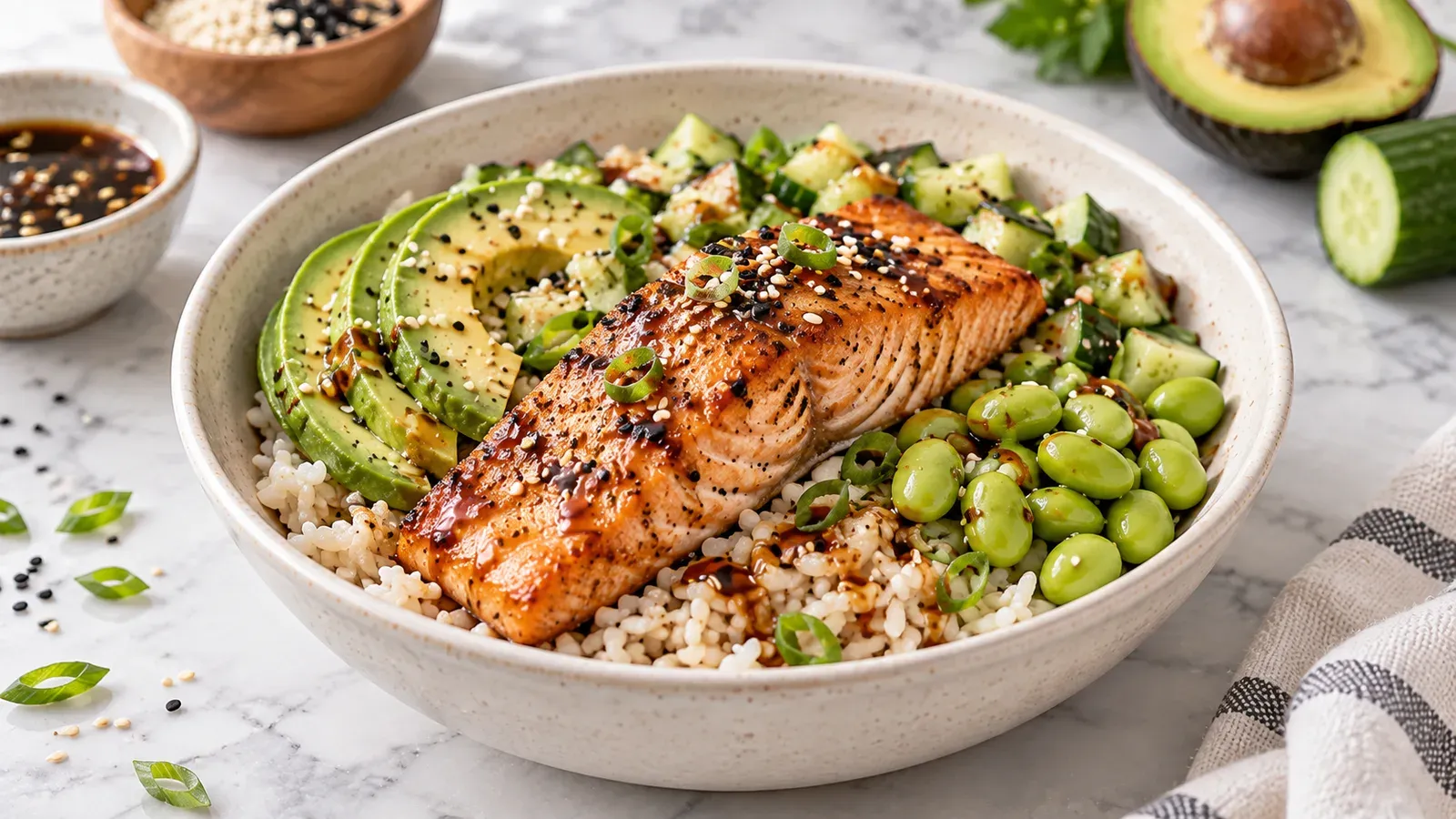
High-Protein Salmon Bowl
A high-protein salmon rice bowl with avocado, cucumber, and edamame: a high-fiber dinner with a simple soy-sesame dressing.
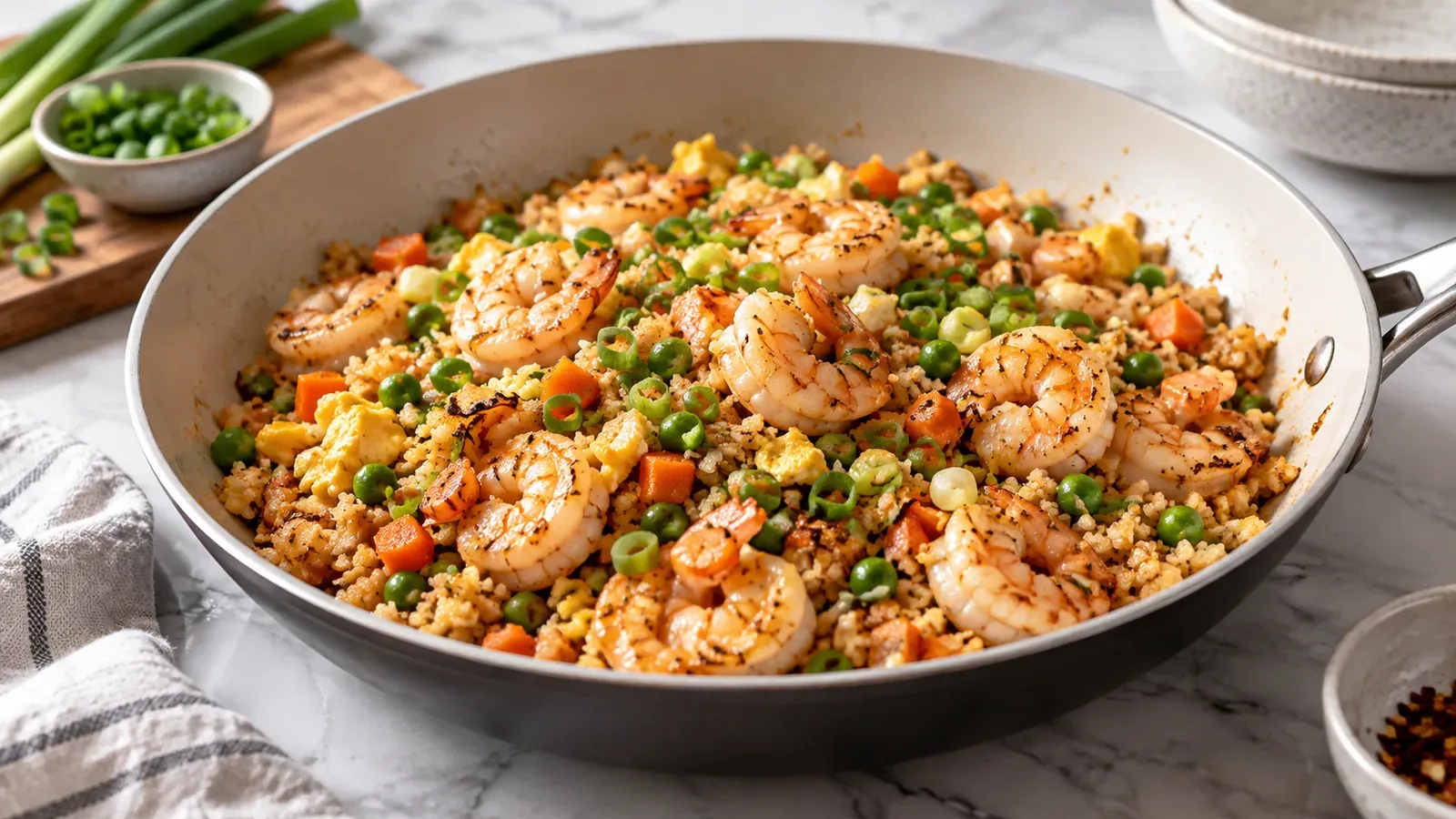
High-Protein Shrimp and Cauliflower Rice Stir-Fry
A 20-minute shrimp and cauliflower rice stir-fry with real fried-rice technique: high protein, low carb, one skillet.
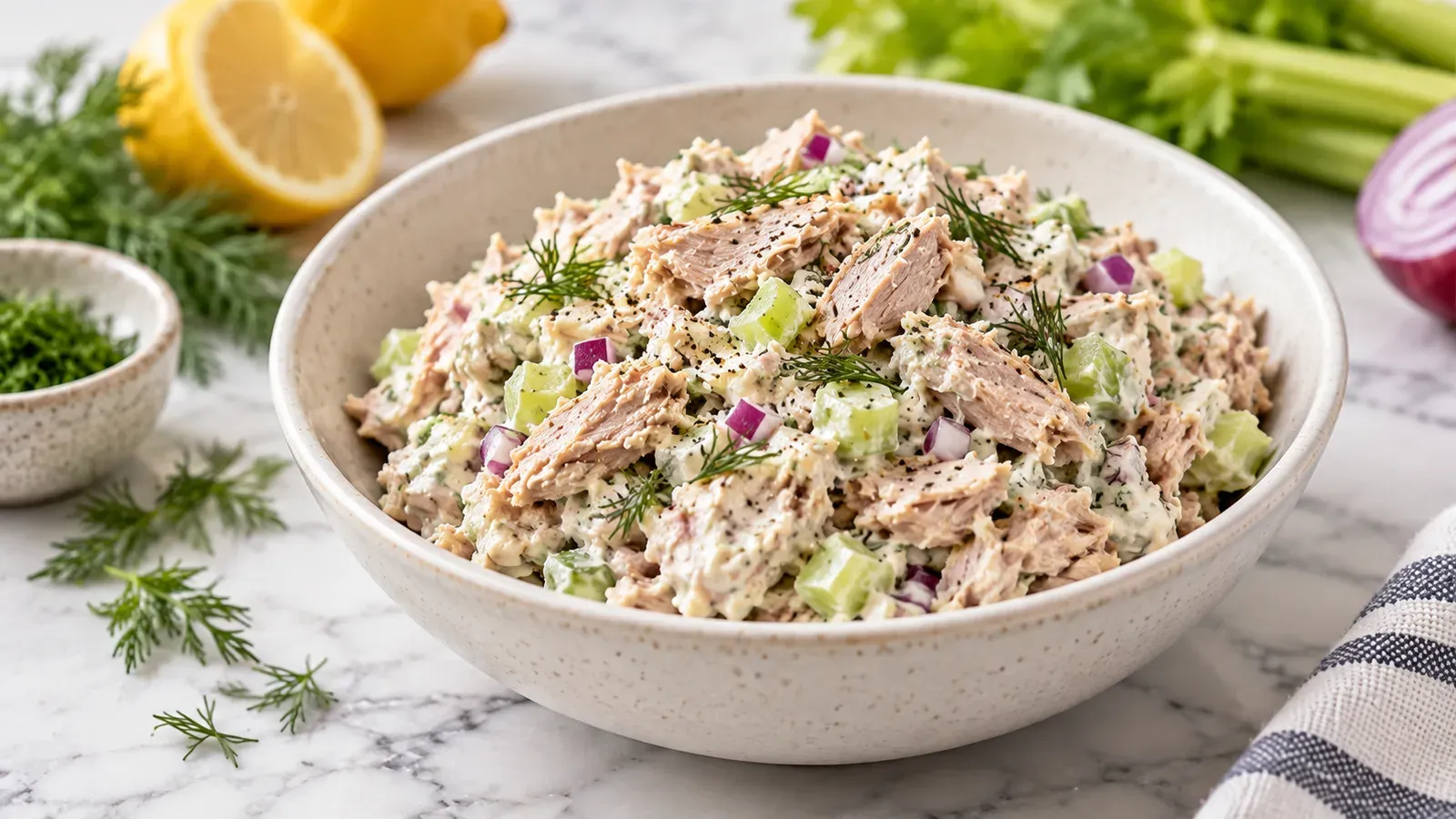
High-Protein Tuna Salad
A high-protein tuna salad made with Greek yogurt instead of mayo: no-cook, low-calorie, ready in 10 minutes.