
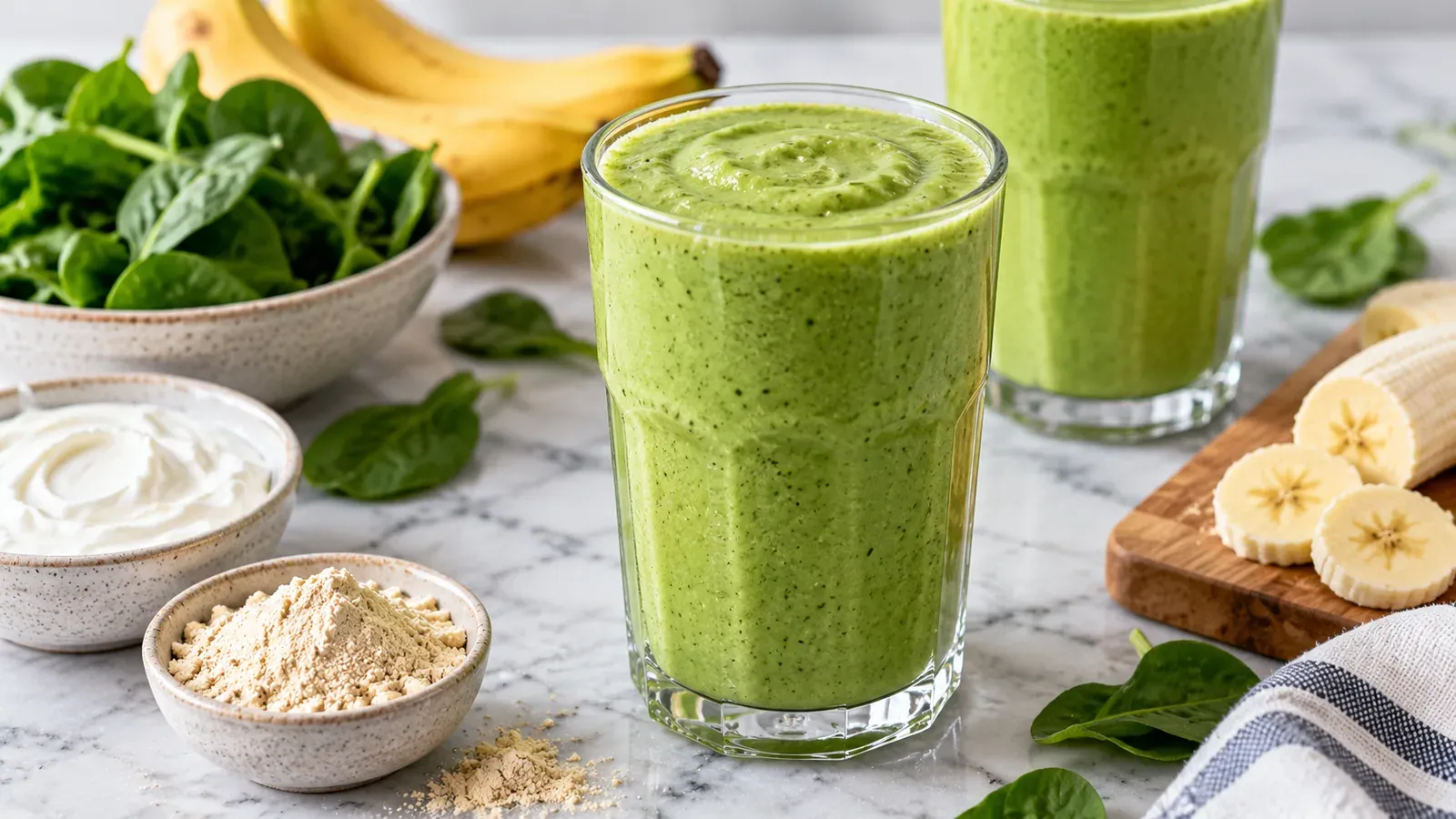
High-Protein Smoothie
Per serving (about 2 cups)
How I calculate this → Protein calculator →
10g of protein per 100 calories.
I add the milk first, before anything else goes into the blender. It sounds like a small thing, but it's the difference between a smooth pull on the blades and a stalled-out blender fighting a frozen banana. The spinach is in here for volume and color, not flavor. You won't taste it. I keep frozen banana pieces around specifically for smoothies like this. They make it noticeably thicker and colder than fresh banana without needing a bunch of ice that eventually waters everything down.
Why you'll love this
- 49g of protein in one glass from Greek yogurt, protein powder, and milk
- Ready in about 5 minutes
- Spinach adds volume and color without changing the flavor
Recipe
High-Protein Smoothie
Ingredients
Instructions
- Add the milk to the blender first, followed by the Greek yogurt and protein powder.
- Add the frozen banana, spinach, and chia seeds if using.
- Blend on high for 45 to 60 seconds, until completely smooth. Add ice and blend again if you want it thicker or colder.
- Pour into a glass and drink immediately.
Equipment
- Blender
Notes
- I always use a frozen banana instead of fresh plus ice. It sweetens and thickens the smoothie without watering down the flavor the way a lot of ice does.
- I add the liquid first every time. Blending dry-heavy with the liquid on top is the most common reason a smoothie stalls out and needs constant scraping down.
- Protein numbers assume a typical whey scoop, about 25g of protein per scoop. Protein powders vary by brand and type, and plant-based powders often run closer to 20g a scoop, so check your label: every 5g less protein per scoop takes about 5g off this smoothie.
Nutrition (per serving)
| Calories | 470 |
|---|---|
| Protein | 49g |
| Carbs | 51g |
| Fat | 10g |
| Fiber | 9g |
Where these numbers come from
I calculate every figure above from USDA FoodData Central, ingredient by ingredient, then divide by the servings the recipe makes. Each FDC number links to the exact USDA entry I used. How I calculate nutrition
- Milk: FDC #171267 (Milk, reduced fat, 2%), 1 cup = 244g. Other milks change the totals.
- Greek yogurt (nonfat): FDC #170894, 1/2 cup = 113g (Fage Total 0% label: 3/4 cup = 170g).
- Protein powder: FDC #173180 (Beverages, Protein powder whey based), 1 scoop = 32g (FDC measure 1/3 cup = 32g), 25g protein / 113 kcal. Scoop sizes and formulas vary by brand.
- Banana: FDC #173944 (Bananas, raw), 1 medium = 118g.
- Baby spinach: FDC #168462 (Spinach, raw), 1 cup = 30g.
- Chia seeds (optional, included in the totals): FDC #170554, 1 tbsp = 12g (FDC: 1 oz = 28.35g). Leaving them out drops about 2g protein, 60 kcal, and 4g fiber.
- 2026-09-28 recompute: 48.7g protein, 472 kcal, 10g fat, 50.8g carb, 8.8g fiber.
Storage
Best drunk fresh, but it holds in the fridge in a sealed container for up to 24 hours. Shake or stir well before drinking, since it separates as it sits.
FAQ
Can I taste the spinach?
No, not in any noticeable way once it’s blended with the banana and protein powder. It mostly affects the color, turning the smoothie green rather than the usual pale tan.
Can I make this without a frozen banana?
Yes, use a fresh banana and add a handful of ice instead. The texture will be slightly thinner and less creamy, but it still works.
Can I meal prep smoothie packs?
Yes. Portion the spinach, banana, and chia seeds into freezer bags ahead of time, then add the milk, yogurt, and protein powder fresh when you’re ready to blend.
Looking for more high-protein drinks: browse High-Protein Breakfast for more grab-and-go morning options.
High-Protein Drinks lists other drinks that carry real protein, from milk to protein shakes.
The overnight oats use the same Greek yogurt and protein powder, made the night before instead.
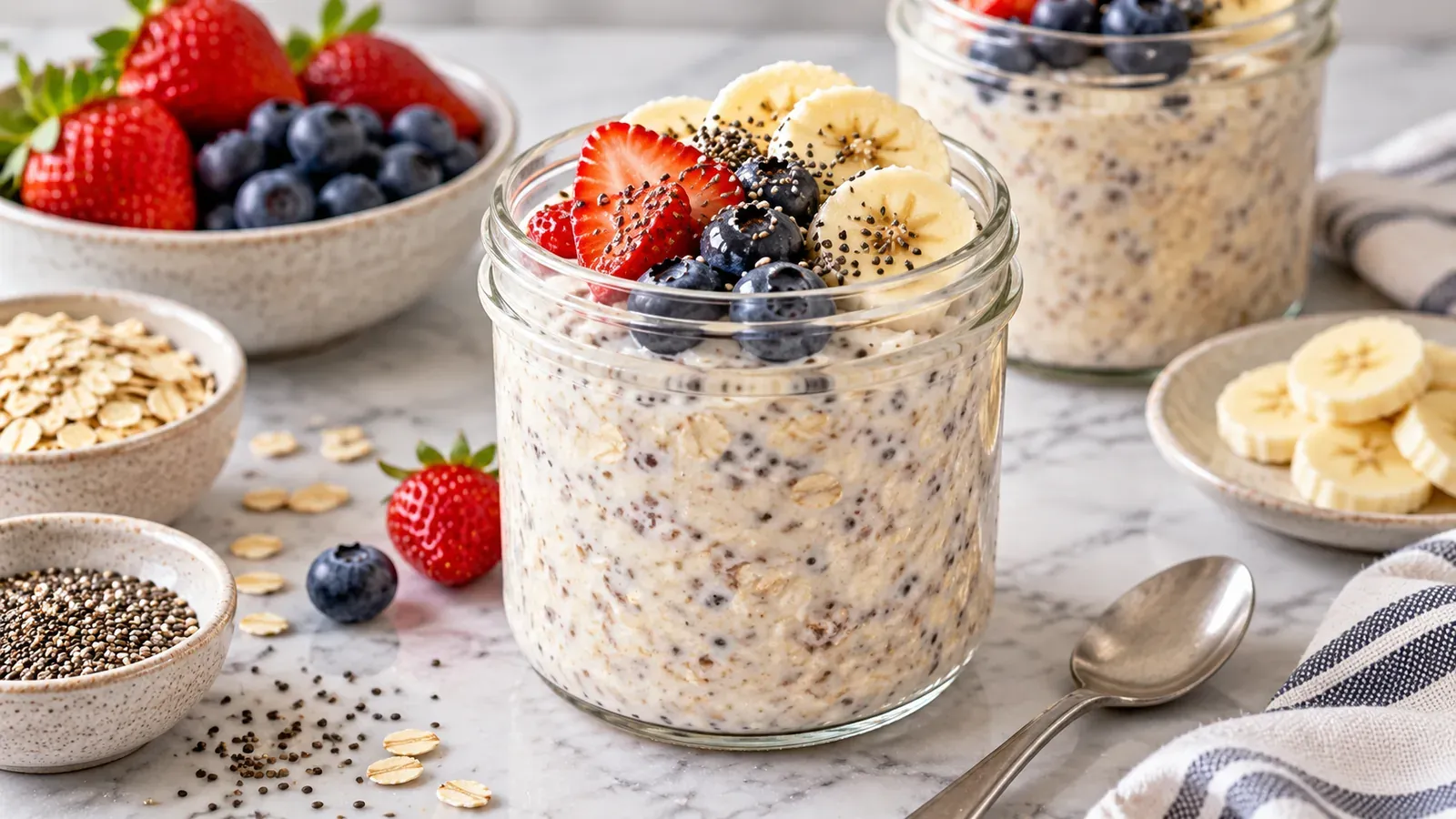
High-Protein Overnight Oats
High-protein overnight oats built on rolled oats, Greek yogurt, and protein powder, ready to grab straight from the fridge.
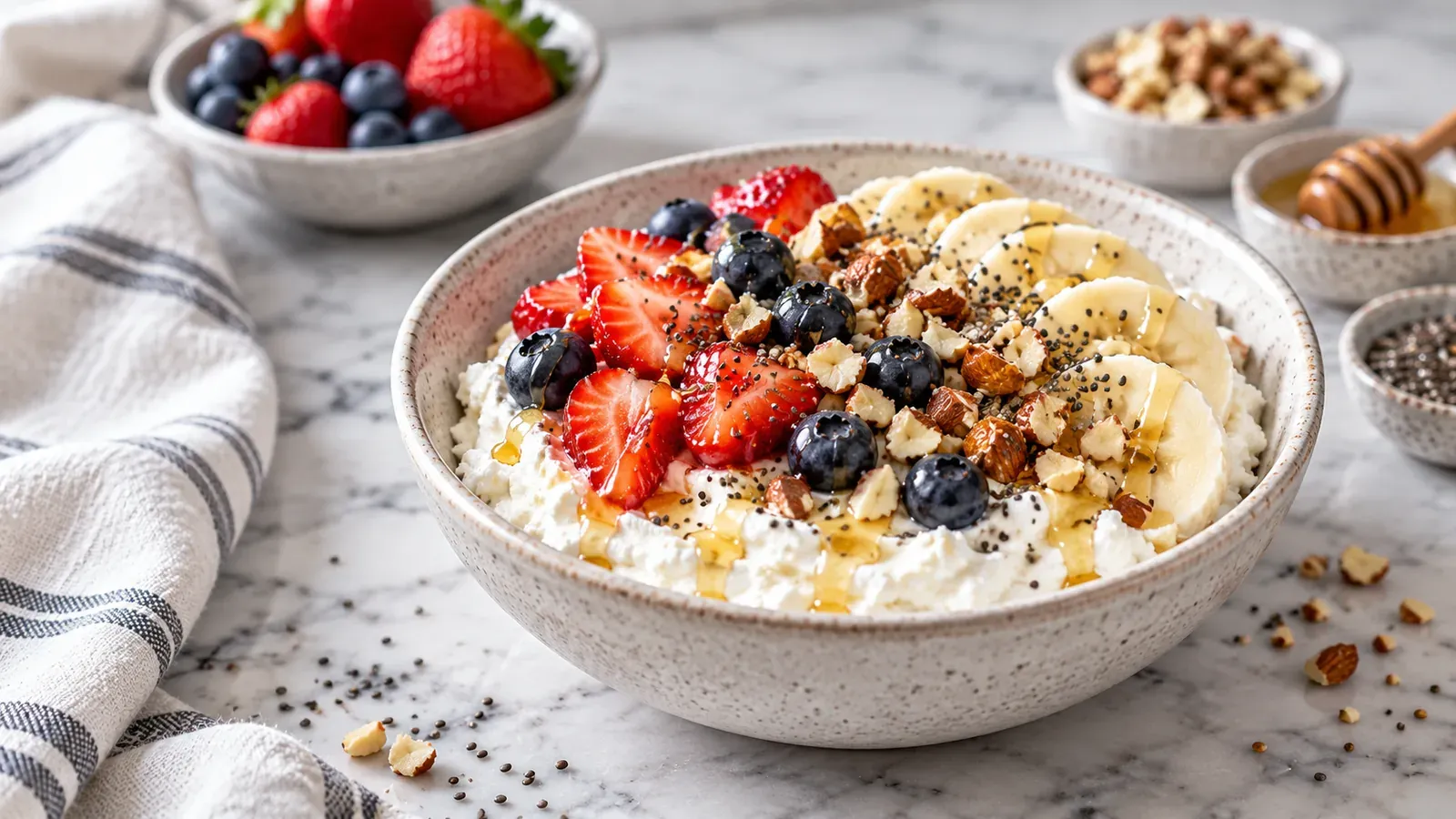
High-Protein Cottage Cheese Bowl
A whipped high-protein cottage cheese bowl: blended smooth, topped with fruit and nuts, ready in 5 minutes with no cooking.
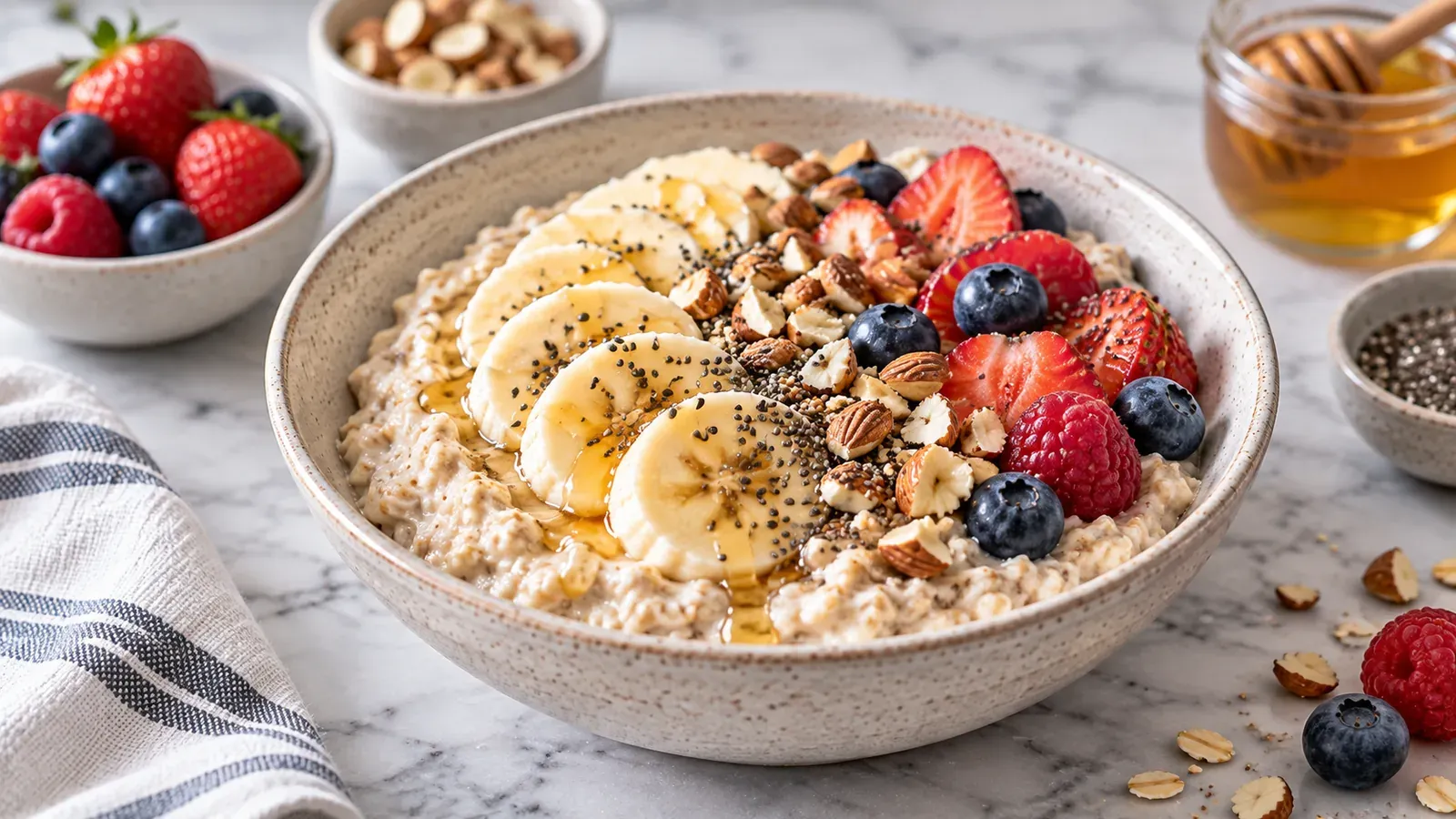
High-Protein Oatmeal
High-protein oatmeal made creamy with blended cottage cheese and finished with protein powder off the heat, so nothing clumps.
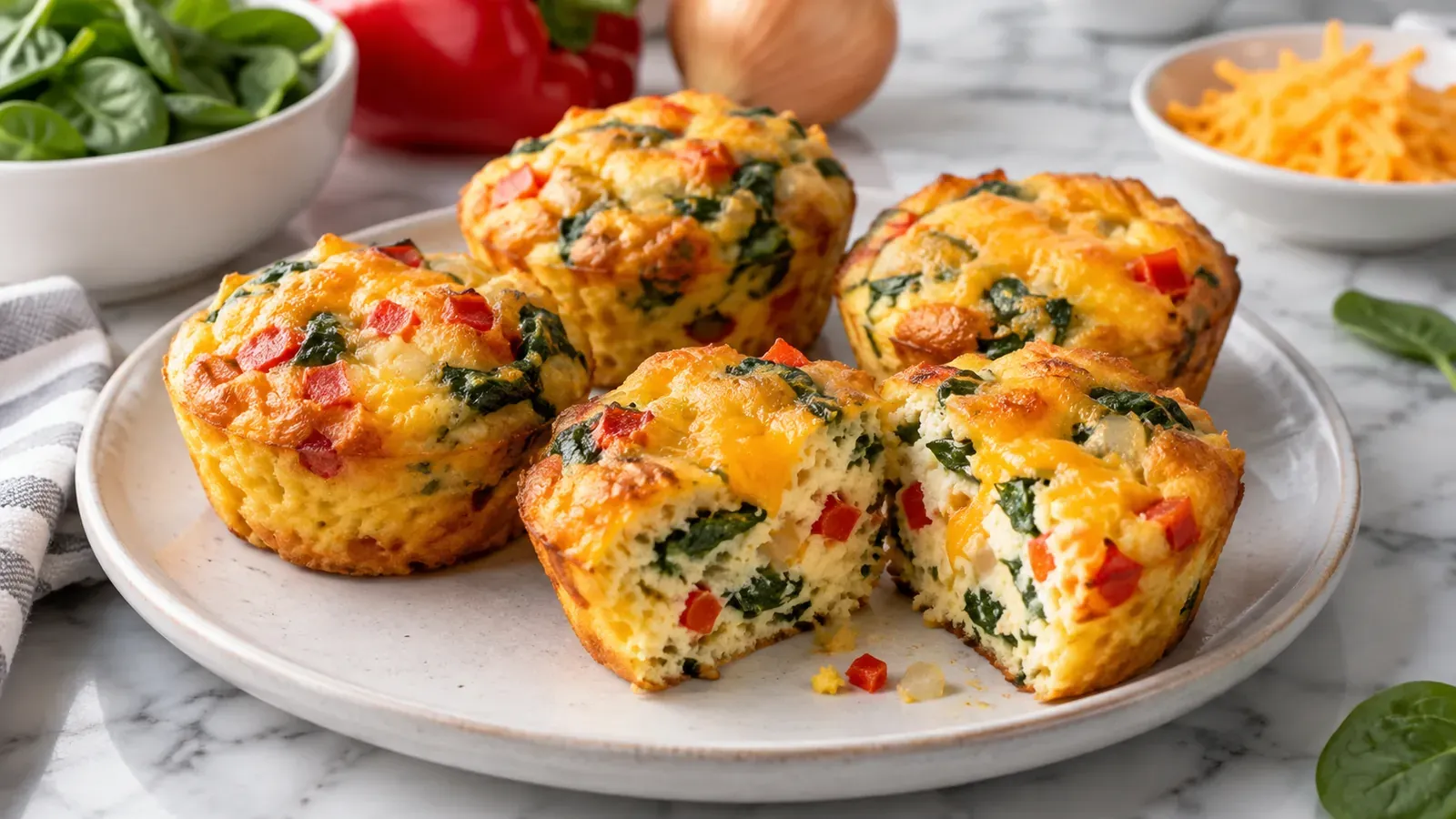
High-Protein Egg Muffins
Baked egg muffins with bell pepper, onion, spinach, and cheddar: a real make-ahead breakfast, ready to reheat all week.
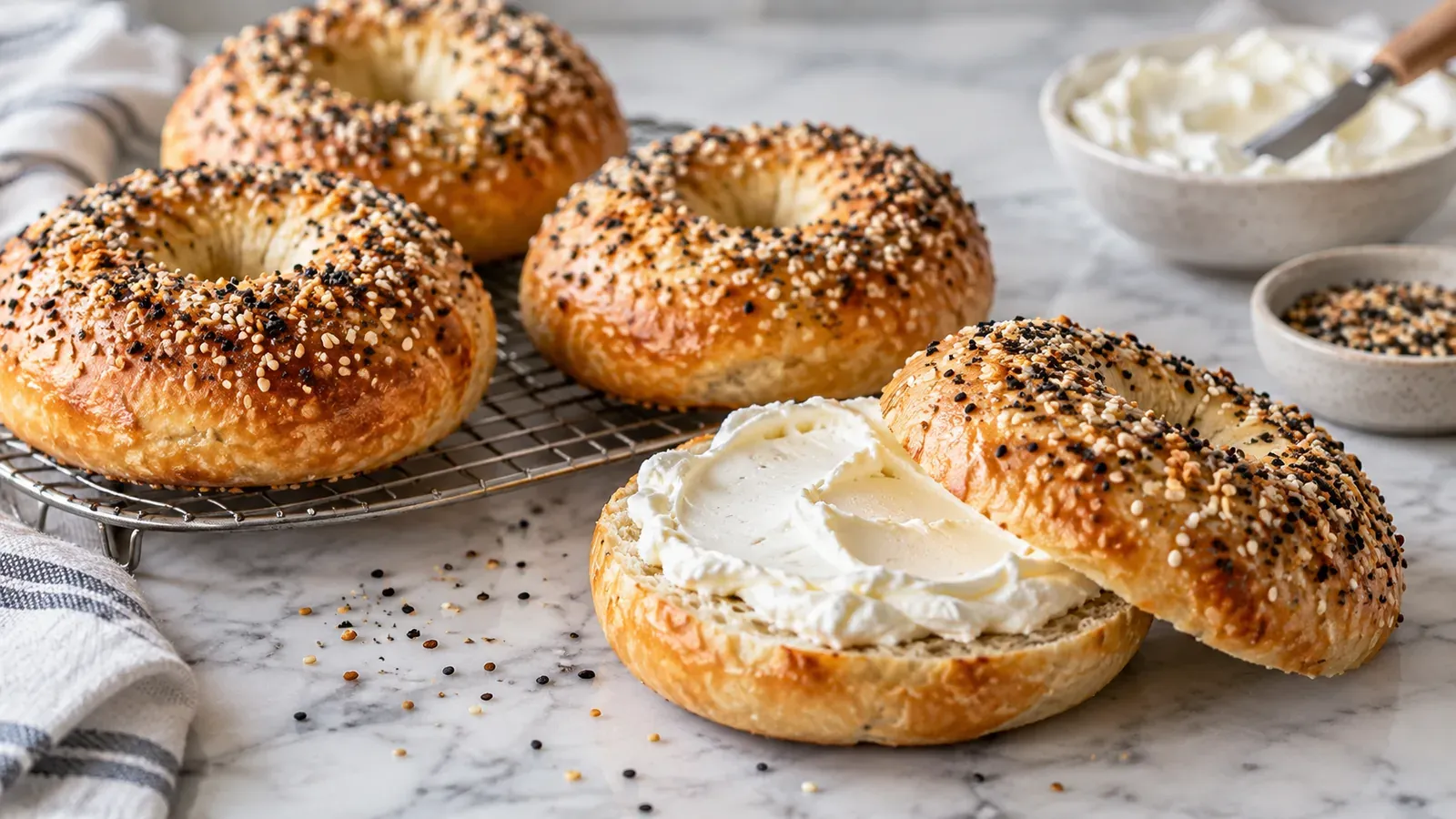
High-Protein Bagels
Two-ingredient high-protein bagels made from self-rising flour and Greek yogurt: no yeast, no boiling, ready in about 30 minutes.
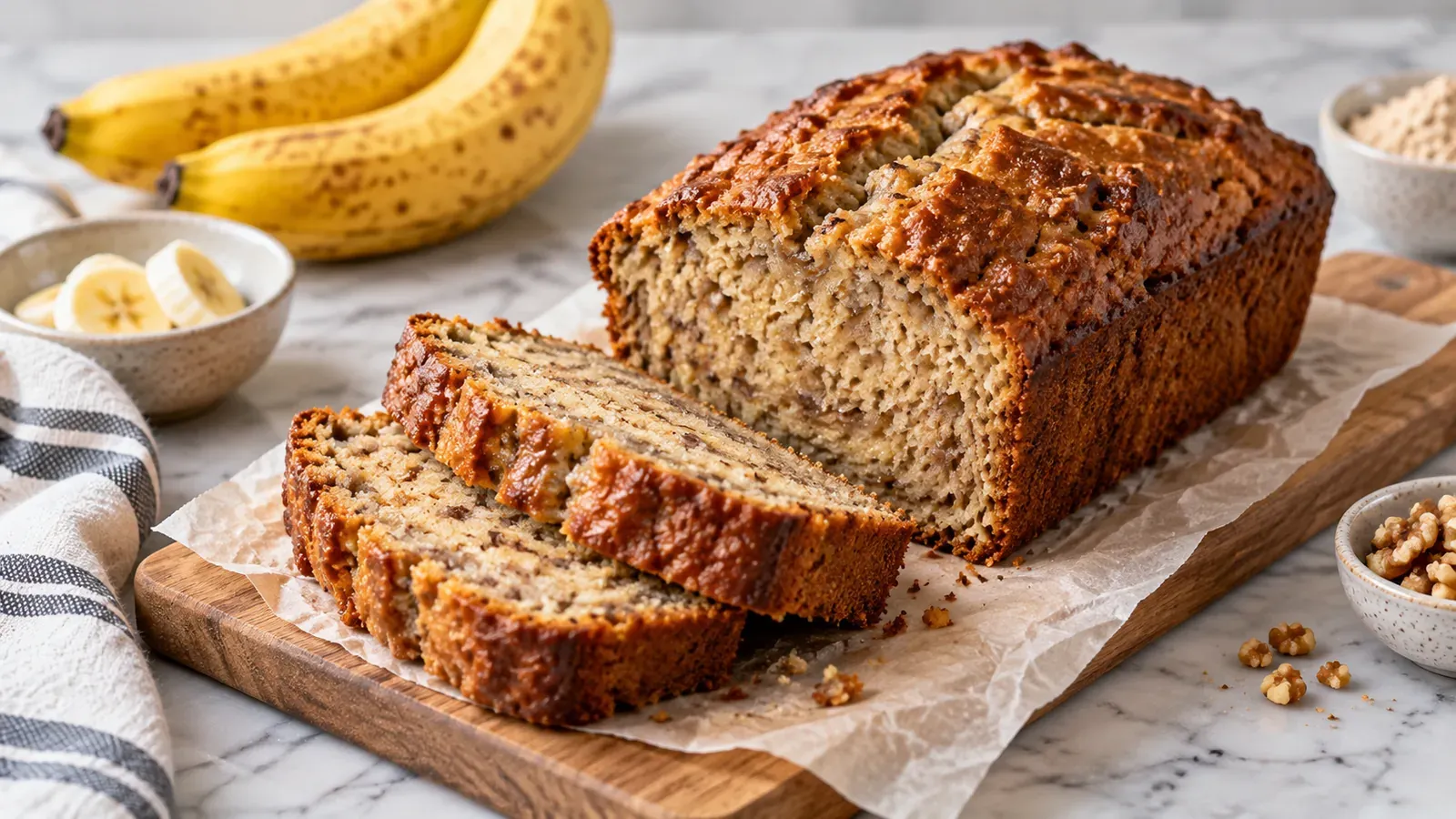
High-Protein Banana Bread
High-protein banana bread built on ripe bananas, Greek yogurt, and protein powder, with a mixing method that keeps the powder from clumping.